




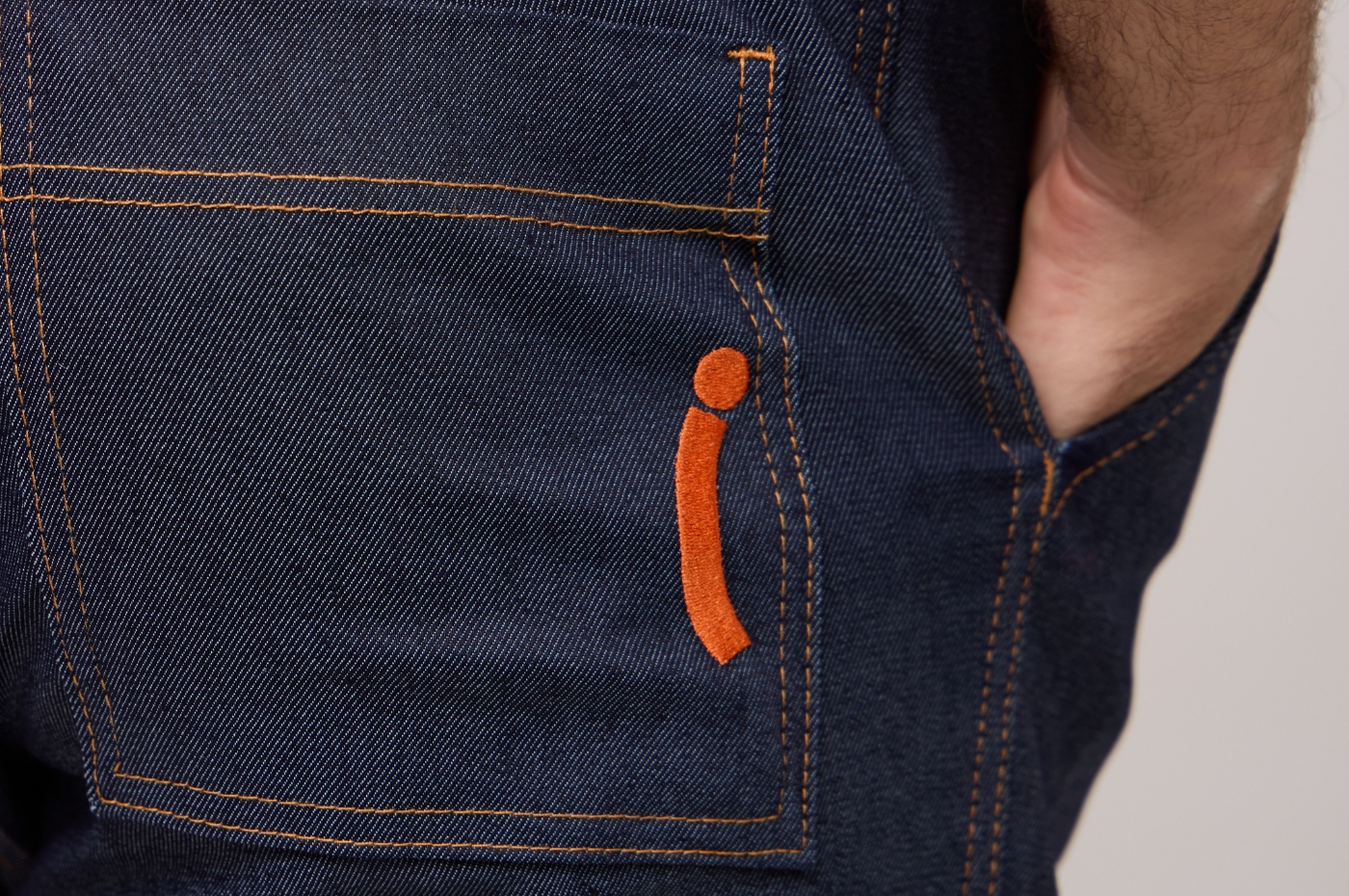
When a company decides to embroider the logo on their uniform, they are usually looking for something more than aesthetics. Embroidery communicates care, professionalism, and solidity.
However, what many businesses still don’t know is that there are different types of logos and the way your brand will be embroidered must be thought out strategically.
It is common to see most companies embroider only their written name. It is practical, clear and a great option. But is it the only one capable of conveying everything the brand would like?
The right embroidery, with the right type of logo, can transform your team’s perception of customers and even internally.
In this article, you will find out what the main types of logos are, how each one communicates a different message, their advantages and disadvantages in embroidery and which one to choose according to your company’s profile.
Before you start: What’s the difference between a logo and a slogan?
Before we talk about the types of logos, it is important to clarify a point that raises doubts in many companies: logo is not a slogan, but both can be embroidered, together or separately.
- Logo (or logo): This is the visual representation of your brand. It can be a drawing, a word, a stylized letter, or a combination of visual elements.
Examples: Nike’s “swoosh”, Apple’s apple or Google’s name with its colorful typography.
- Slogan: is a short and memorable phrase that expresses the essence, proposal or differential of your business.
Examples: the classic Just Do It by Nike, the I Love It Very Much by McDonald’s or the Because You Are Worth a Lot by L’Oréal.
In embroidery, there are companies that choose to embroider only the logo. Others prefer to include the slogan as well, especially if it reinforces the brand’s positioning or purpose.
It is a strategic choice, which needs to consider the space available in the piece, the legibility and the intention of the communication.
The main types of logos and how to apply them to embroidery
Now let’s get down to business: the most used types of logos on the market, with practical explanations about their use in embroidery, context of application and examples of well-known brands that use each model.
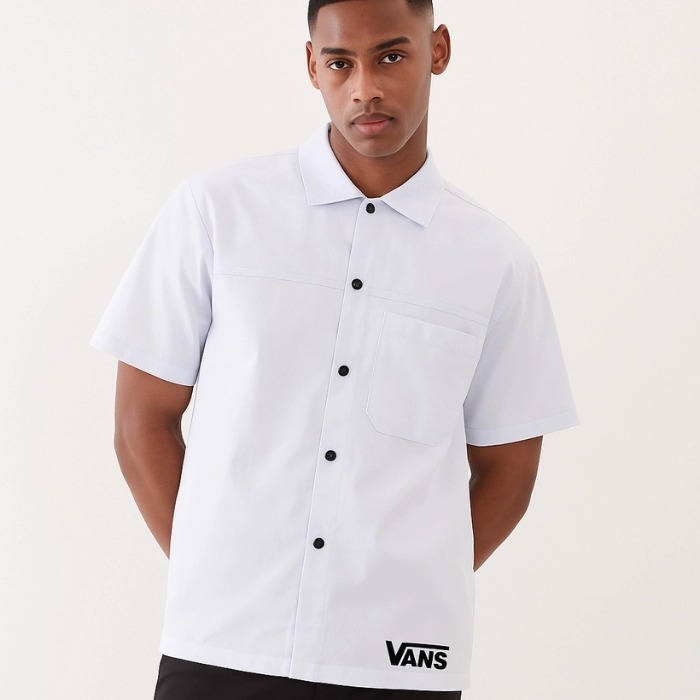
1. Text Logo (Wordmark)
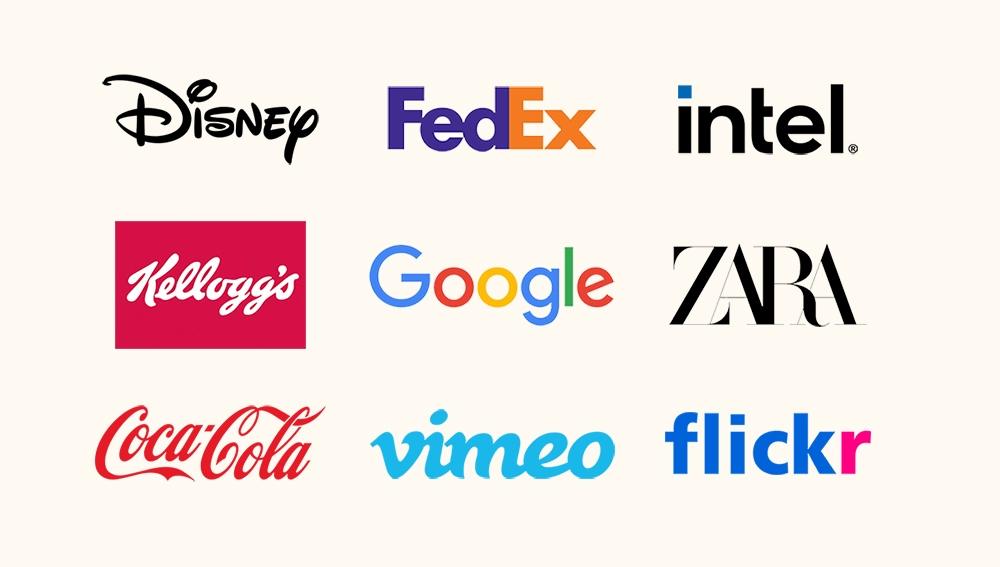
It is the full name of the company written in a stylized way, with its own typography.
Famous examples: Coca-Cola, Google, Visa, Canon, Vans, Gillete.
Advantages in embroidery:
- High readability, even at small sizes.
- Ideal for companies with striking or unique names.
Cons:
- It doesn’t work as well when the brand name is too long.
- It can be less visually iconic than logos with symbols.
WHEN TO USE Wordmark
If your company name is the main brand reference and you want to ensure easy recognition.
2. Monogram or Lettermark
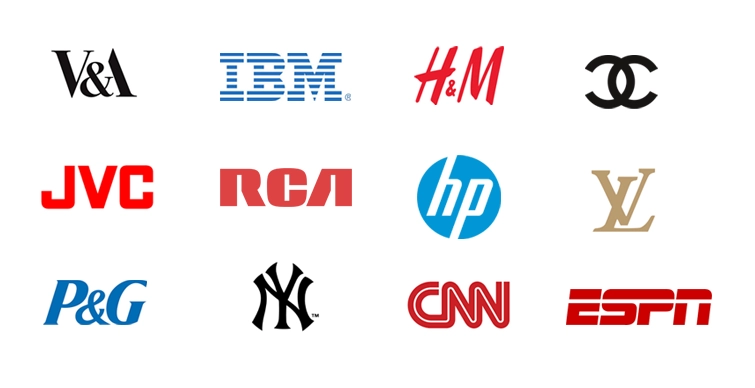
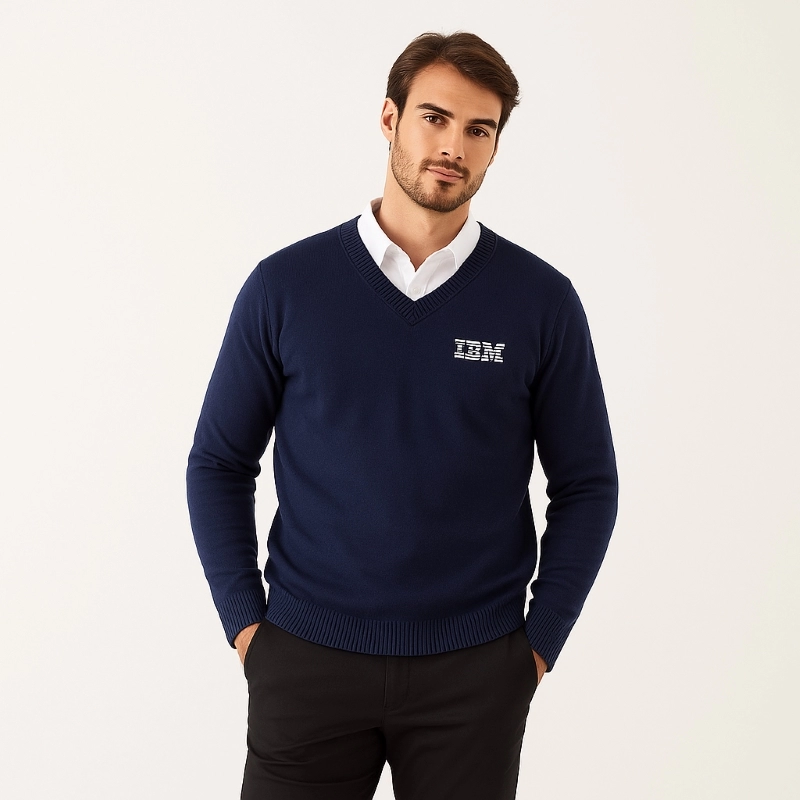
It is a logo created with the company’s initials, usually with a custom typography.
Famous examples: IBM, CNN, HBO, LG.
Advantages in embroidery:
- Compact, ideal for small pieces such as pockets, sleeves or collars.
- Good solution for long or compound names.
Cons:
- It requires visual reinforcement in other communications to be recognized.
WHEN TO USE Lettermark
If the company name is large and you want a leaner visual application.
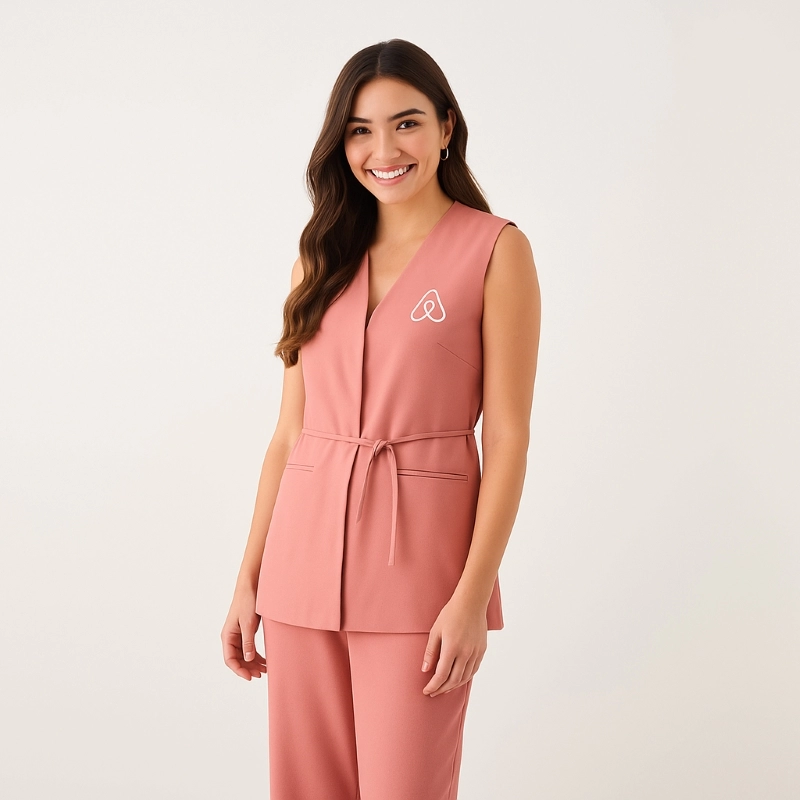
3. Individual Letterform
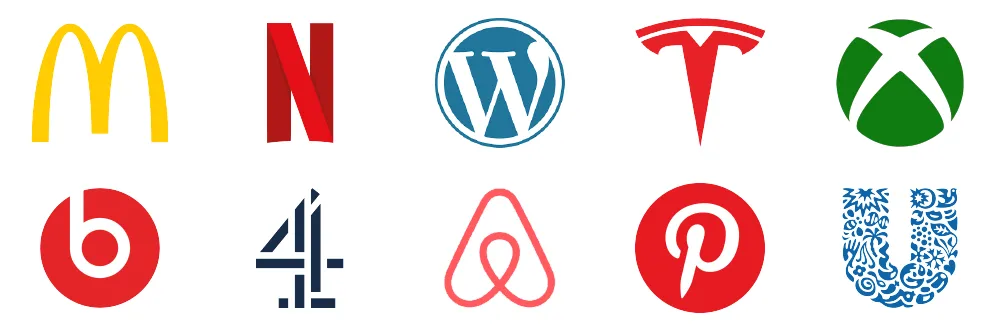
It is a logo composed of a single stylized letter, usually the initial of the brand.
Famous examples: McDonald’s (M), Facebook (F), Netflix (N), Airbnb (A).
Advantages in embroidery:
- Extremely compact and quick to apply.
- It looks great on minimalist or casual uniforms.
Cons:
- Low recognition if it is not well worked out in other communication pieces.
WHEN TO USE Letterform
When the brand is already known or when you want to create a strong symbol from the initial.
4. Symbol (or Brandmark)
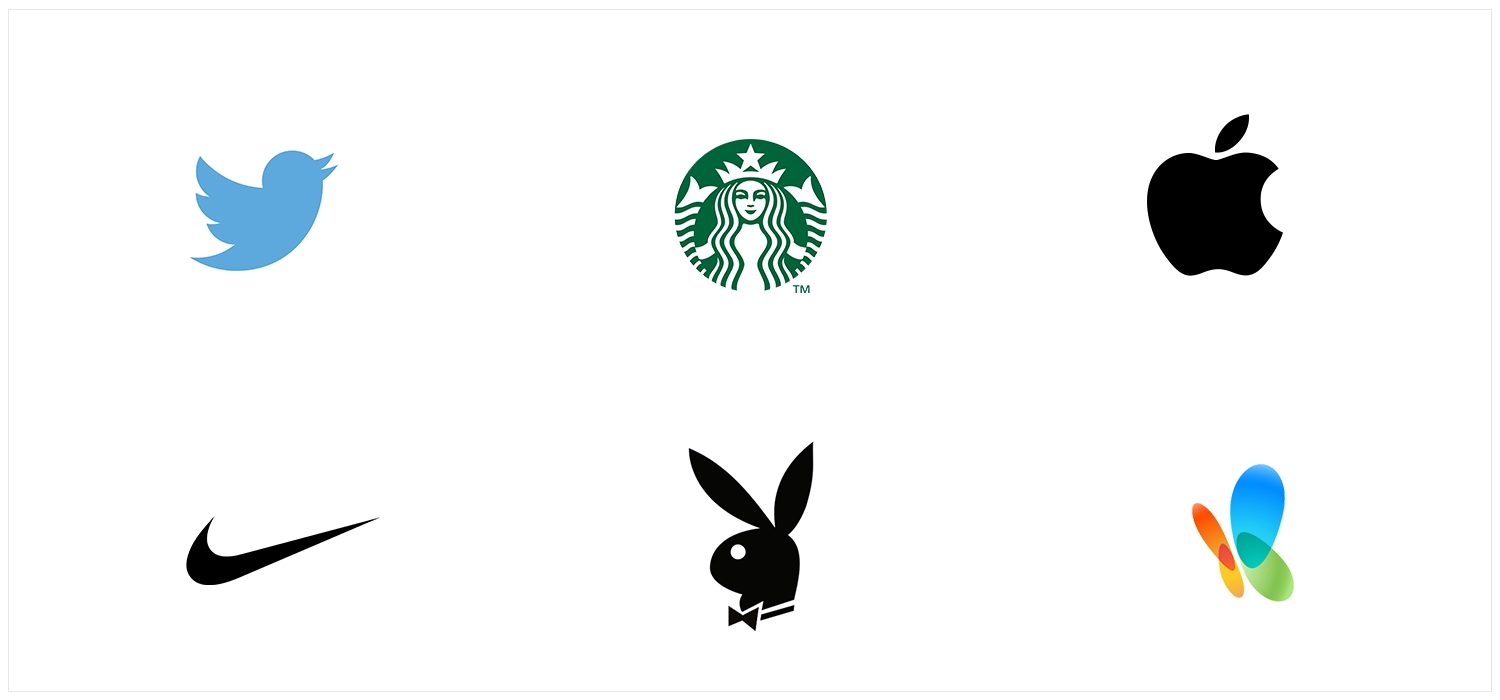
It is an image or visual icon that represents the brand, without the name written on it.
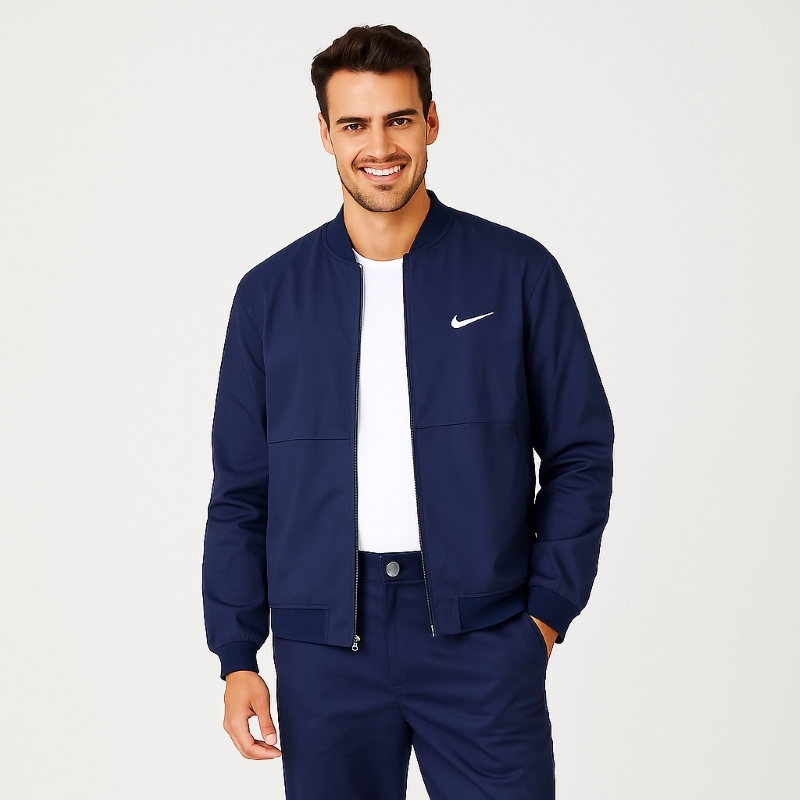
Famous examples: Apple, Twitter, Nike, Globe, Starbucks.
Advantages in embroidery:
- Very iconic and elegant when the brand is already consolidated.
- It conveys sophistication and versatility.
Cons:
- It may not be easily recognized if your brand is not yet well known.
- Embroidery that is too small loses details from the symbol.
WHEN TO USE BRANDMARK
If your brand already has a good market presence or if you want to build a strong and memorable visual identity over time.
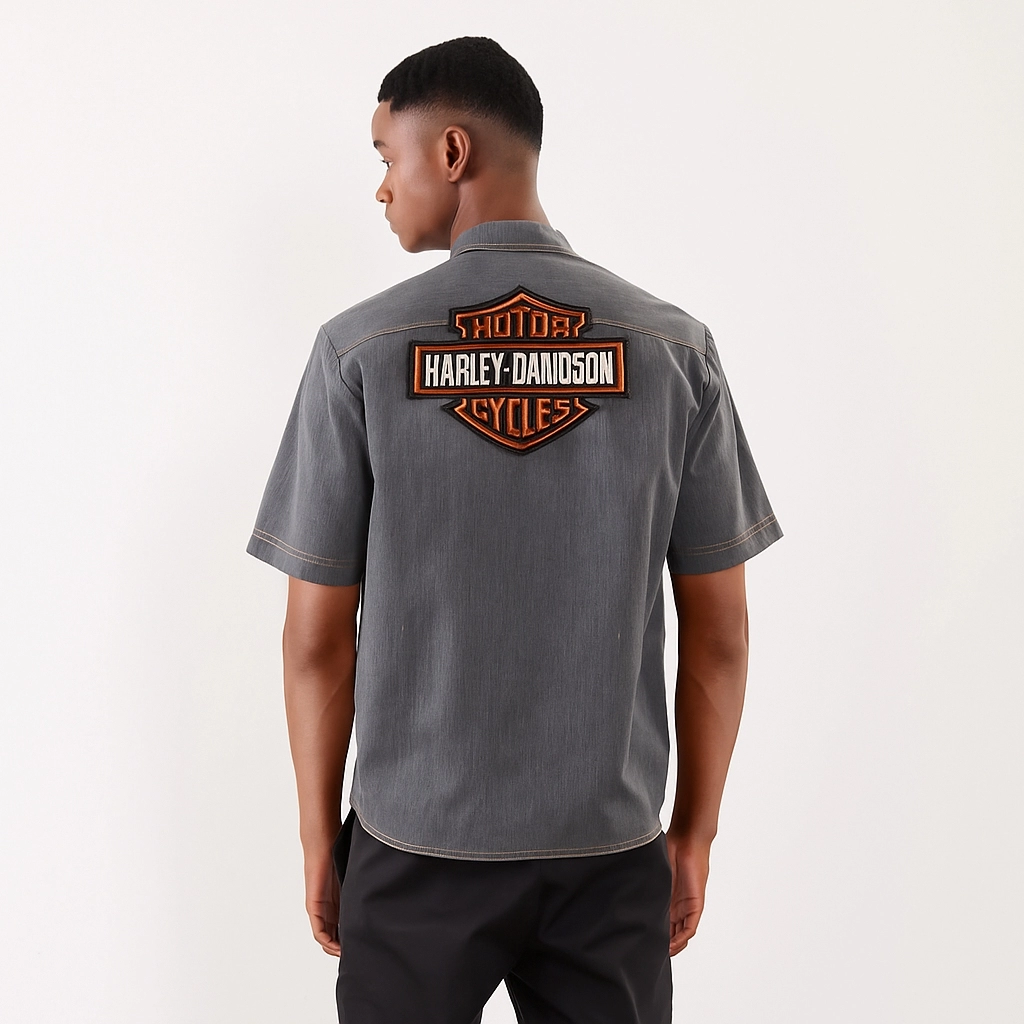
5. Emblem
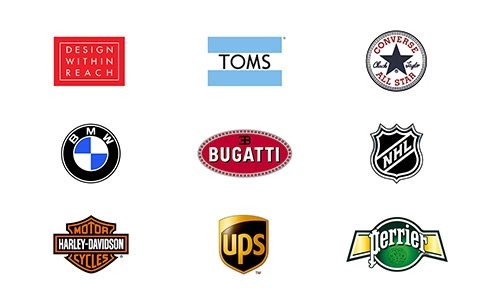
It is a type of logo where text is inserted within a symbol or shape, such as a coat of arms.
Famous examples: Harley-Davidson, Converse, Warner Bros, Ford.
Advantages in embroidery:
- Impactful visuals and conveys tradition and authority.
- Perfect for sectors such as security, gastronomy, mechanics or institutions.
Cons:
- It can be difficult to embroider on very small pieces, due to the complexity.
- It requires more production time and attention to detail.
WHEN TO USE Emblem
If your company wants to convey reliability, history, or a more institutional look.
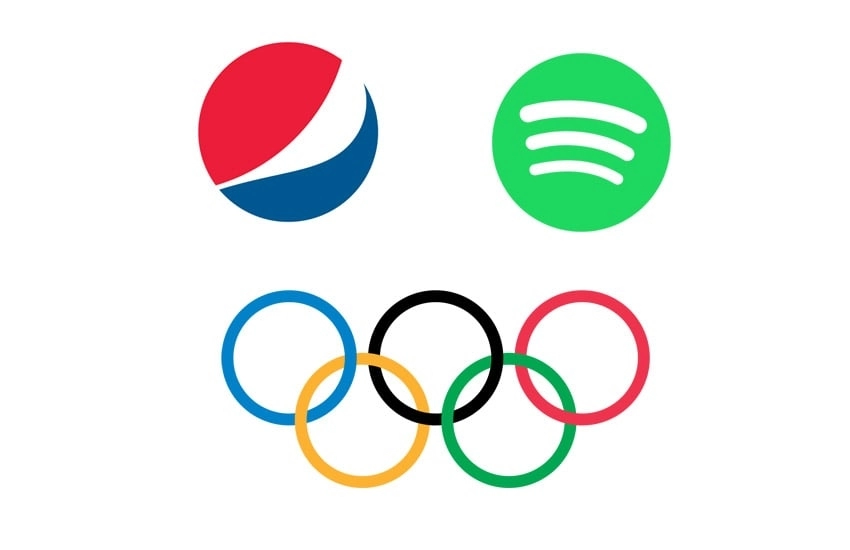
6. Abstract Logo
They are geometric shapes or visual compositions that represent concepts or feelings linked to the brand.
Famous examples: Pepsi, Adidas, Spotify.
Advantages in embroidery:
- Highly exclusive and full of personality.
- It can convey concepts such as movement, innovation, sustainability, etc.
Cons:
- It takes time for the public to associate the image with the brand.
- It requires good execution in embroidery to maintain visual impact.
WHEN TO USE ABSTRACT LOGO
If your brand is innovative, modern or wants to escape the obvious.
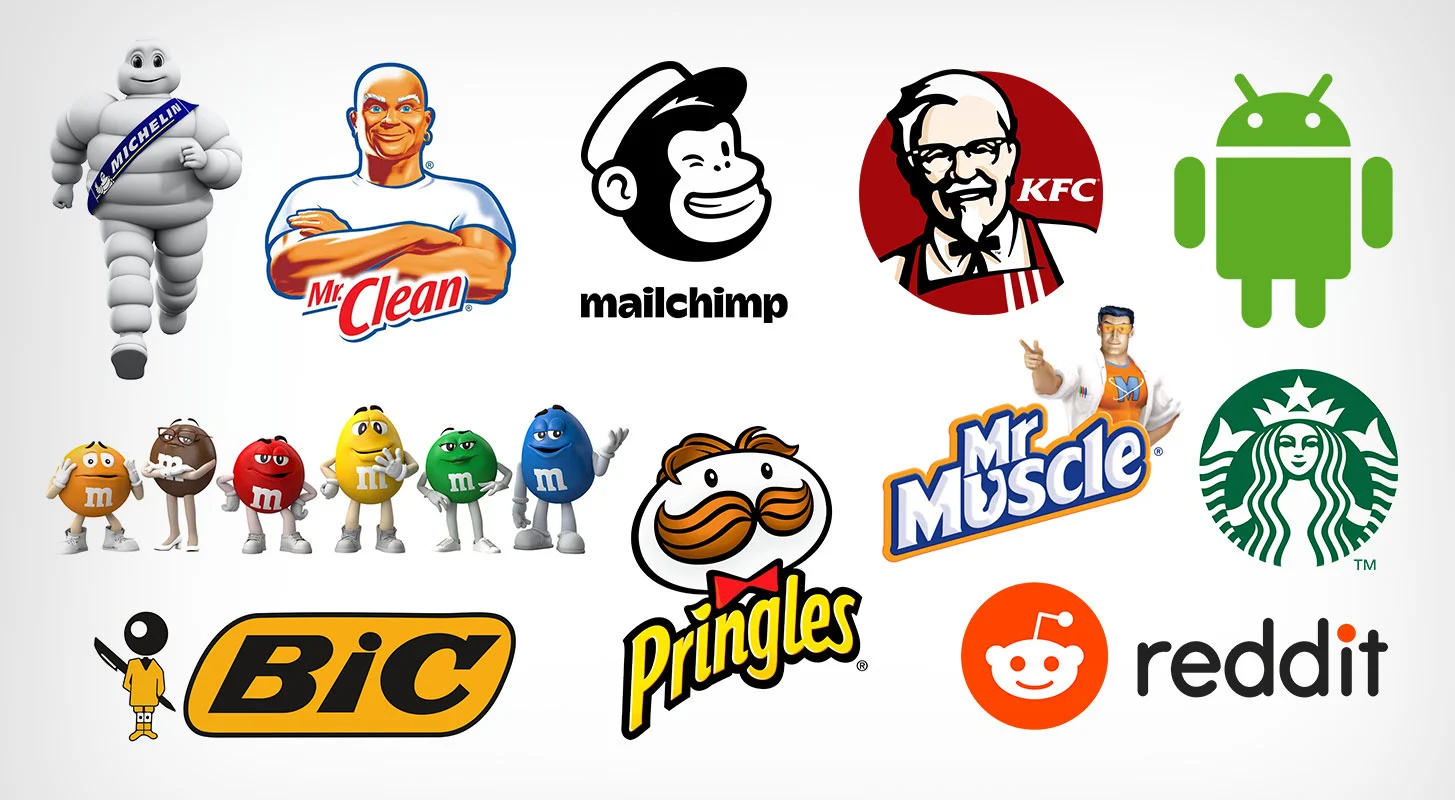
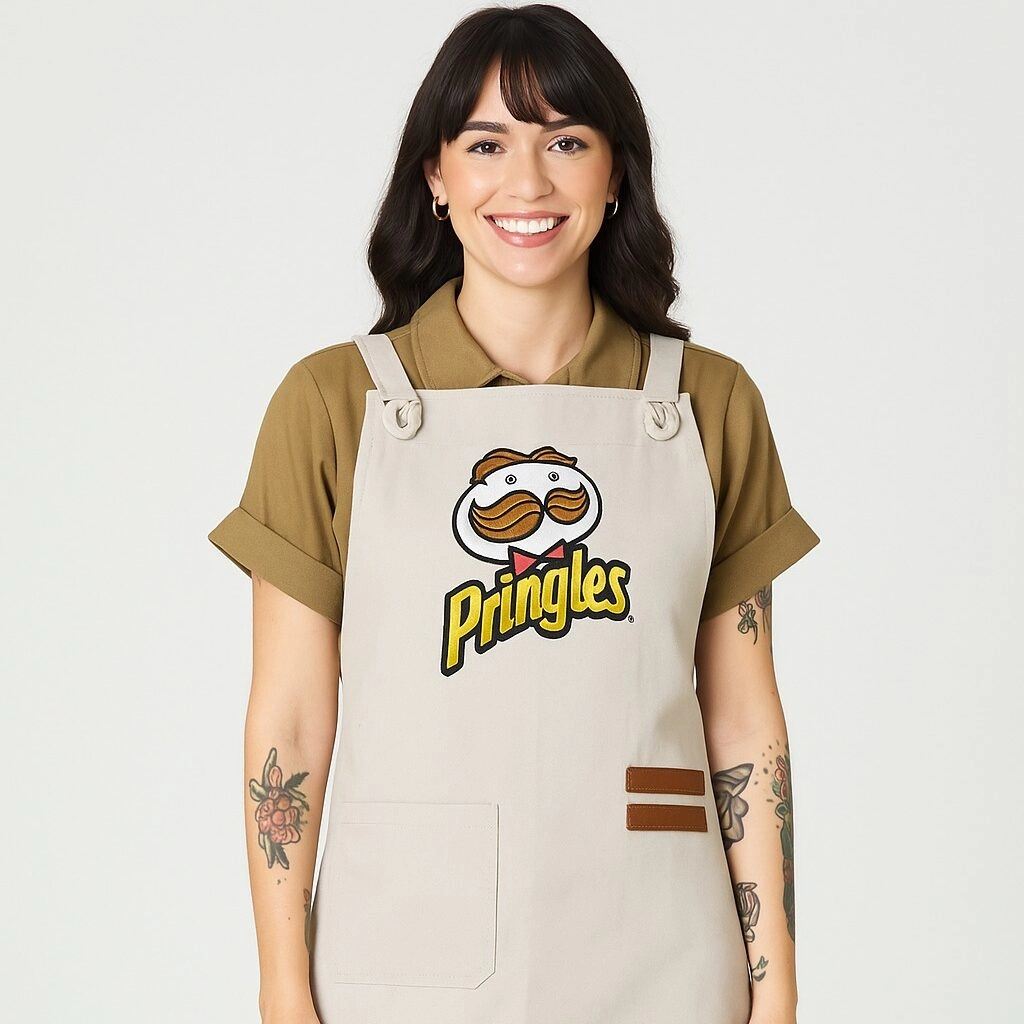
7. Mascot
It is a visual character that represents the company in a playful and close way.
Famous examples: KFC (Colonel Sanders), Michelin (Michelin Man), Cheetos (Chester Cheetah), Pringles (Julius Pringles).
Advantages in embroidery:
- It creates an immediate emotional connection.
- Perfect for relaxed, affordable or children’s brands.
Cons:
- It may seem informal for brands that want to be serious.
- More complex and detailed embroidery.
WHEN TO USE Mascot
In brands that value empathy, sympathy and close contact with the public.
How to choose the best type of logo to embroider?
Now that you know the main types of logos, the next step is to evaluate:
- What image do you want to convey with your uniform?
- Would your audience recognize your brand by a symbol? Or do they need the name written?
- Does the uniform piece have enough space to embroider the logo with quality?
- Is your brand in a growth phase or is it already consolidated?
These questions help define not only the visual style, but the strategy behind the embroidery.
Embroider your logo with Dash
As we have seen, embroidery is not just the final touch on the uniform, it is part of building your brand image. And therefore, it should not be done just like that.
Before simply uploading an image, it’s important to think about: How do you want to be seen? What does your logo need to convey? Is your company already recognized or is building this space in the market ?
These details make all the difference.
The good news is that after this definition, we do the embroidery for you quickly and conveniently on our website.
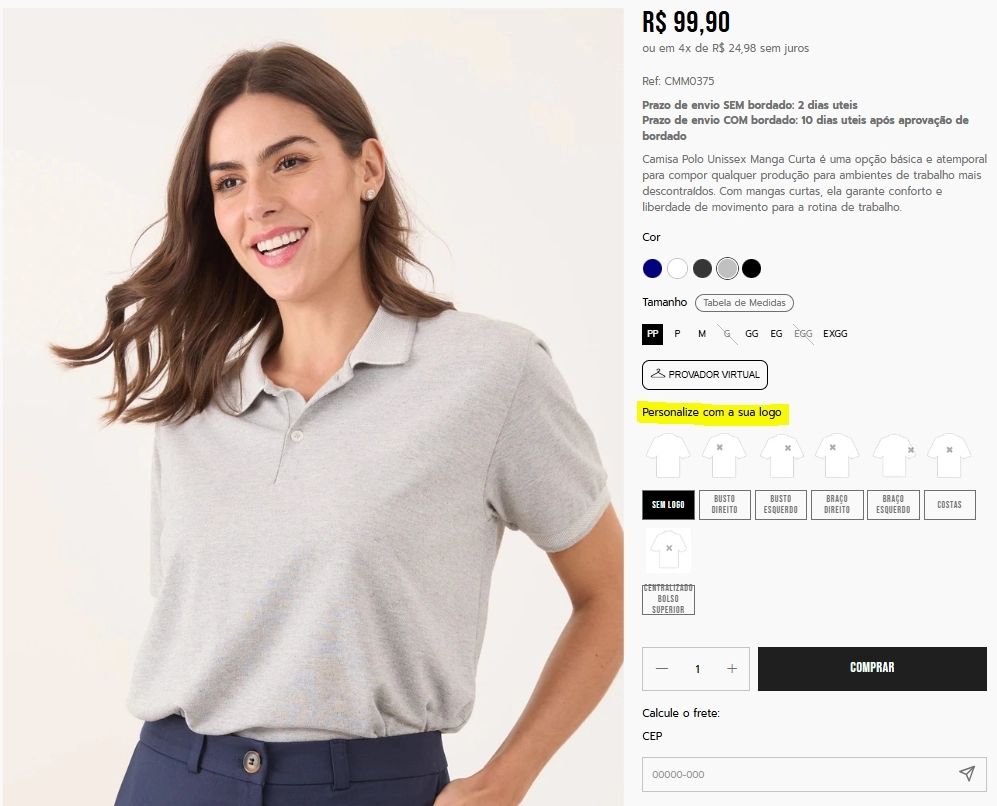
Here’s how simple it is to customize:
- Visit our website.
- Choose the ideal piece for your team.
- Indicate where the embroidery will be applied (front, back, sleeve, etc.).
- Submit your artwork (in PNG or PDF formats).
- Finalize the order.
And that’s it!
You receive the ready-made pieces, with your brand’s embroidery, directly at your address