




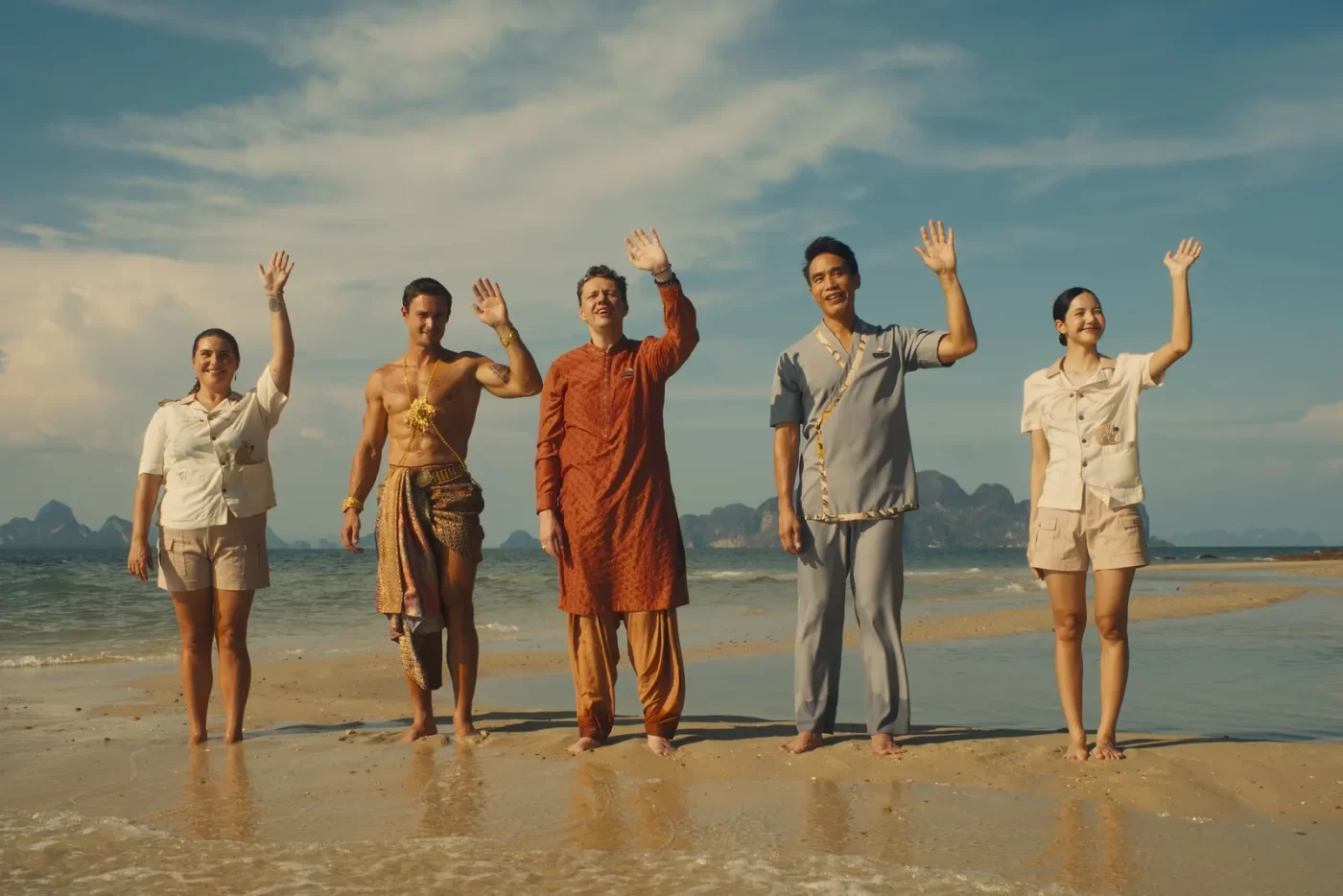
Have you ever stopped to think about the real difference between an urban hotel and a beach hotel, besides the location?
The answer lies in the experience that each one provides to their guests.
In a beach hotel, for example, this experience can be in the décor that evokes the sea breeze, in the menu with fresh and local ingredients and in a light atmosphere, which invites rest and connection with nature.
But did you know that the team’s uniforms are also part of this immersion?
More than appearance, they help to visually translate the essence of the place, reinforcing the brand’s identity and creating coherence in each contact with the guest.
It is this care for detail that transforms a stay into a memorable experience and that is exactly what The White Lotus series masterfully shows us. Want to see how?
An immersion lesson with The White Lotus
Mixing acid humor and social criticism, The White Lotus invites us to observe the universe of the super-rich in luxurious resorts around the world.
But, in addition to the plot and performances, there is a silent protagonist who gains strength with each episode: the construction of each scenario.
Decoration, gastronomy, soundtrack, landscape, architecture and, of course, the uniforms help to give life to the identity of each hotel.
Each season, we are taken to a resort in a different country. Costume designer Alex Bovaird shows how costumes, especially the team’s uniforms, help translate the spirit of each place and create a unique sensory and cultural experience.
In this context, uniforms go far beyond appearance. They reinforce the hotel’s identity, create visual unity and help tell the story of that place.
As in a good script, each element has a role in the construction of this universe. When everything talks to each other, the guest does not only see the hotel: he enters the story that the brand wants to tell.
Next, we’ll explore how this construction appears in each season of the series and what your hotel can learn from this approach.
Season 1 – White Lotus Maui, Hawaii: Tropical Lightness and Aloha Lifestyle
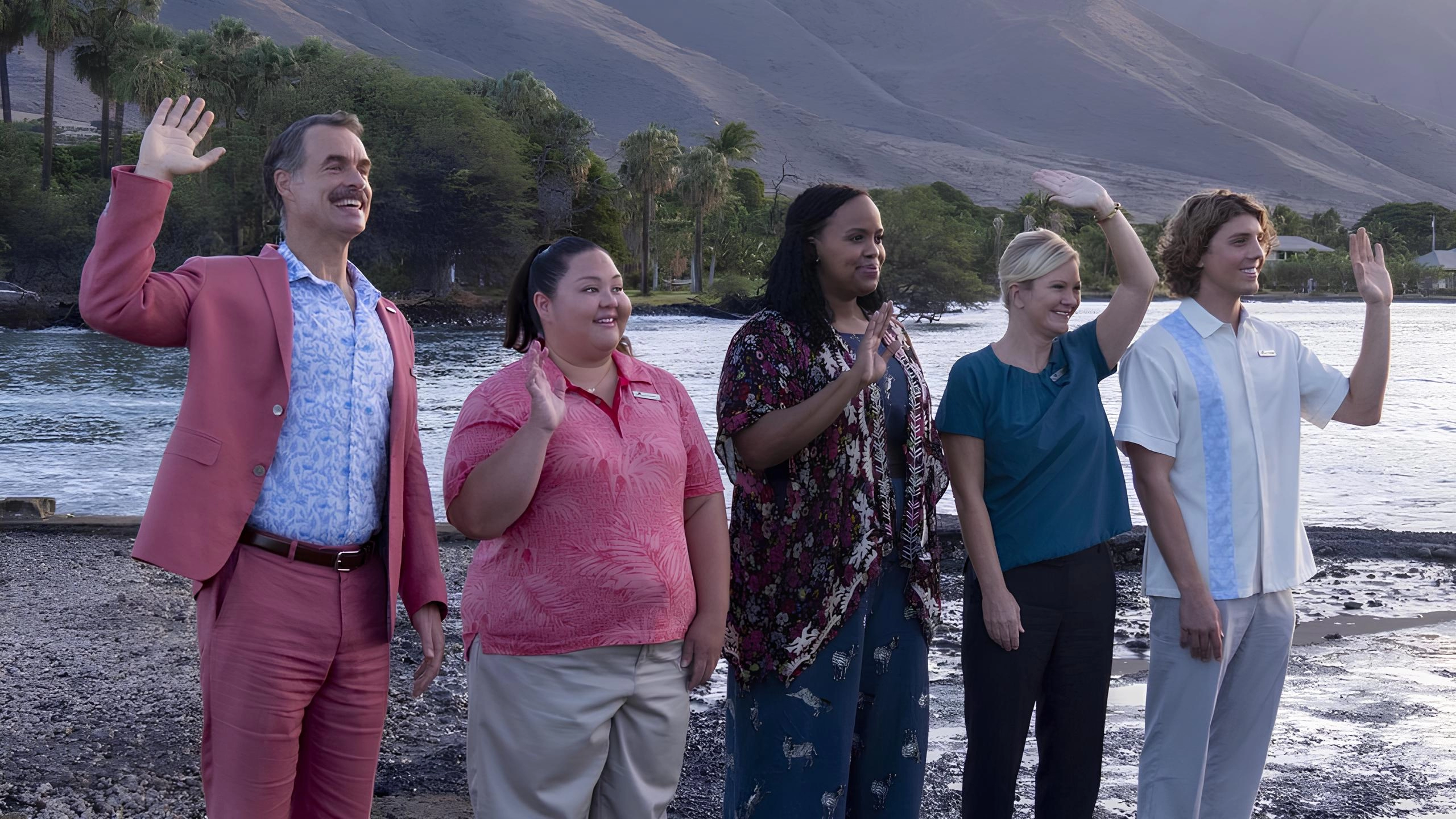
Filmed at the Four Seasons Resort Maui at Wailea, the first season embraces Hawaiian identity in its entirety.
Located in front of a beach surrounded by rocky spikes, the hotel conveys a sense of isolation and exclusivity.
To reinforce this, the team’s uniforms mix traditional elements, such as ceremonial Polynesian costumes, and the iconic “Hawaiian business” style.
Aloha shirts with fruit prints, tropical flowers and vibrant colors (such as mango yellow, ocean blue and hibiscus pink) have become part of the institutional look.
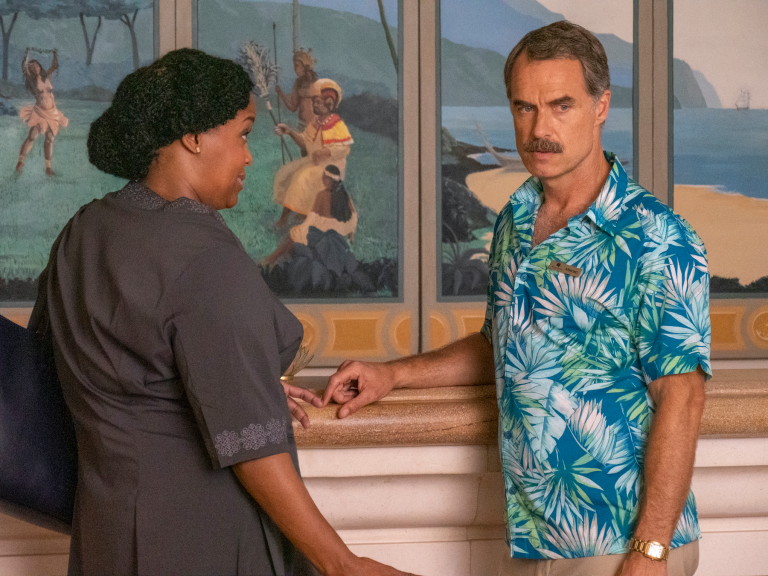
The silhouettes were fluid and relaxed, creating a sense of lightness, tranquility and celebration of local nature.
“We focus a lot on the Hawaiian colors, fruits and flowers. We were inspired by mango, ocean blue, pineapple, and made a lot of floral prints and vibrant colors .
We just wanted to go totally into the tropical.” Alex Bovaird , costume designer for The White Lotus
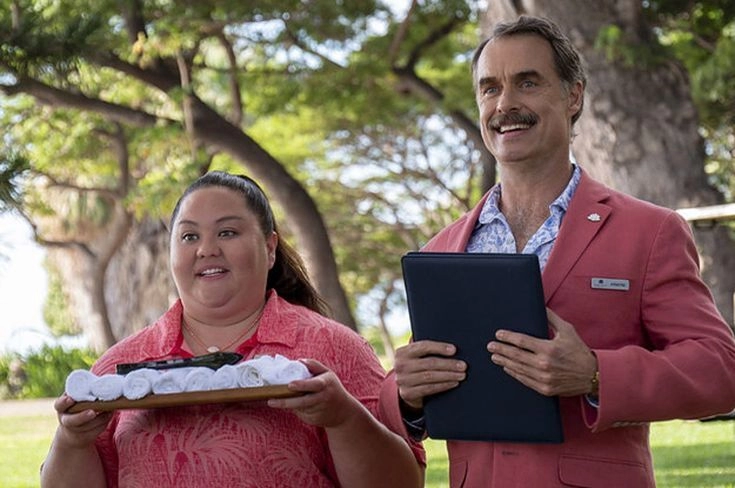
The team’s uniforms were also created to be fun to look at, showcasing bold color palettes and different silhouettes.
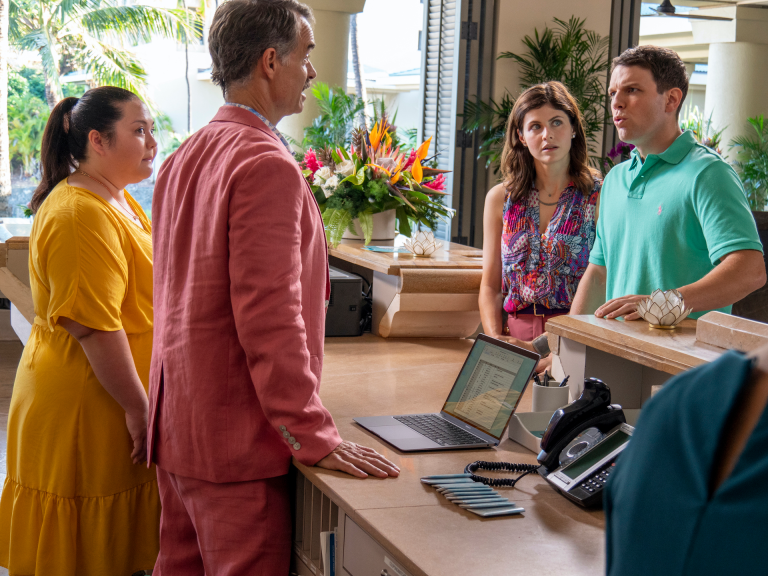
As part of the immersive experience that was enriched beyond the uniforms, guests participated in a native cultural ceremony, which took place at sunset, with employees wearing Polynesian costumes, lighting torches and using a shell as a kind of horn.
In addition, they could come into contact with other local traditional manifestations, such as hula classes, the typical dance, and Polynesian lei making, the flower necklace.
The use of linen, in addition to being a cool, breathable fabric, which works very well to maintain elegance in the heat of Hawaii, it also carries a symbolism.
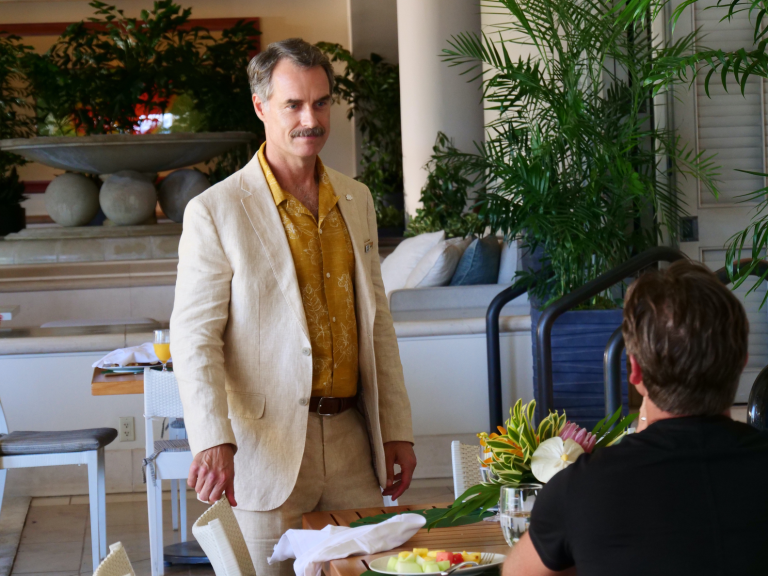
As it kneads and molds to the body over time, the linen reflects the emotional wear and tear of manager Armond, which literally falls apart throughout the series.
The shirt worn in her final scene is a vintage Hawaiian piece with a sea snake print, perfect visual metaphor for the climax of her story.
Here, the uniforms work as part of the immersion ritual: they welcome the guest into this relaxed, almost dreamlike lifestyle, reinforcing the idea that they are in a truly unique place.
Season 2 – White Lotus Sicily, Italy: Classical Sophistication Mediterranean Drama
Set at the San Domenico Palace hotel in Taormina, the second season takes viewers to a place where sophistication mixes with drama.
The costumes of the resort’s staff and characters explore the essence of Italian elegance, with fitted suits, noble fabrics and a palette that refers to the colors of the Sicilian landscape: deep blues, solar yellows and burnt oranges.
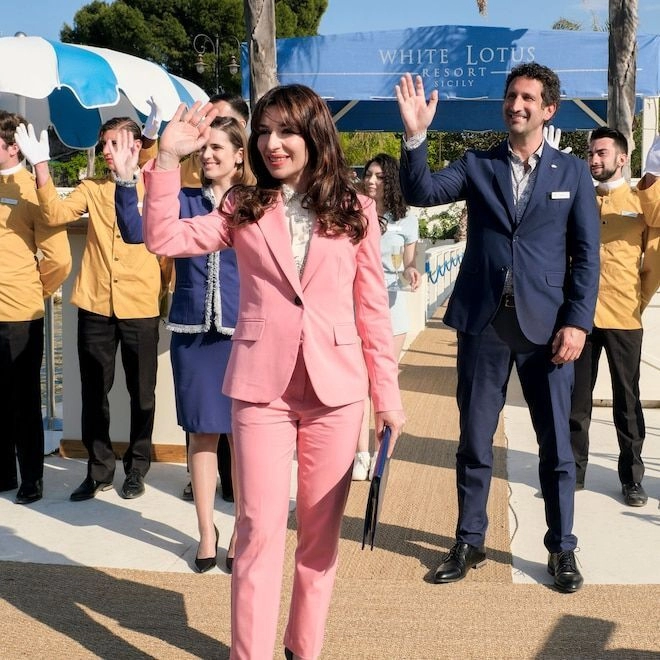
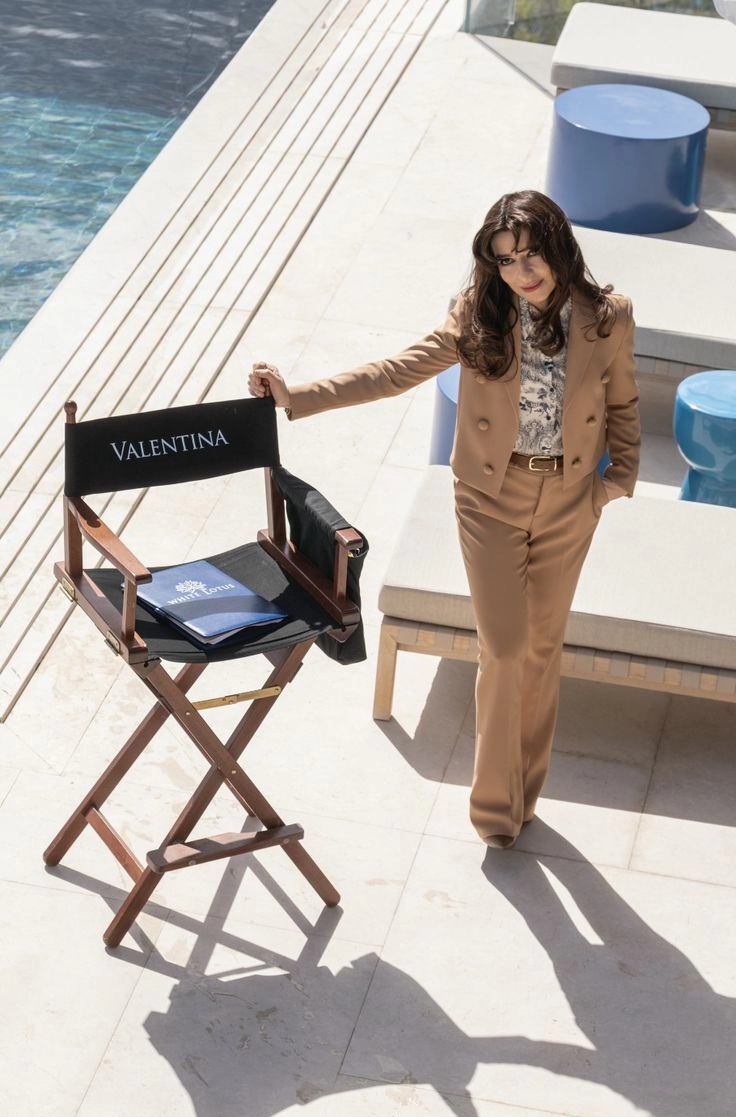
Manager Valentina is the best example of this approach. Her tailored suits in vibrant hues (pink, blue, beige) make a nod to the previous season’s manager, but with a thoroughly Italian identity.
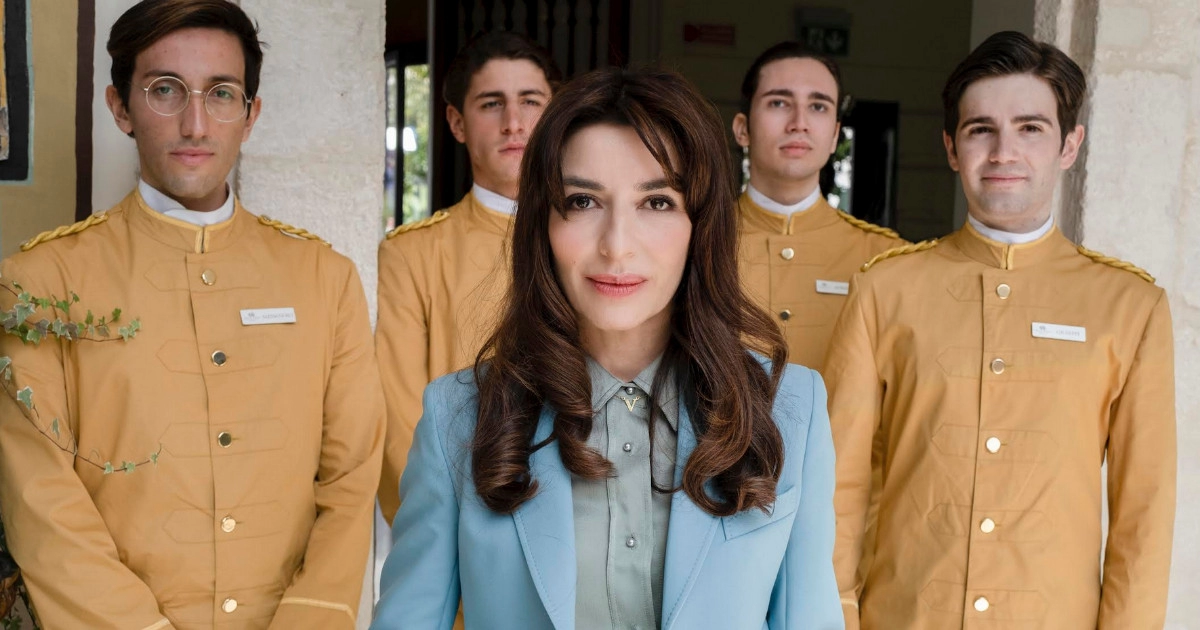
Her clothes are more fitted, structured, with classic prints and brands such as Max Mara, Trussardi and Moschino. Throughout the episodes, her look evolves into something more stripped-down, reflecting her internal transformation.
The employees who appear most prominently next to manager Valentina are the concierge and the receptionist and their uniform deserves attention.
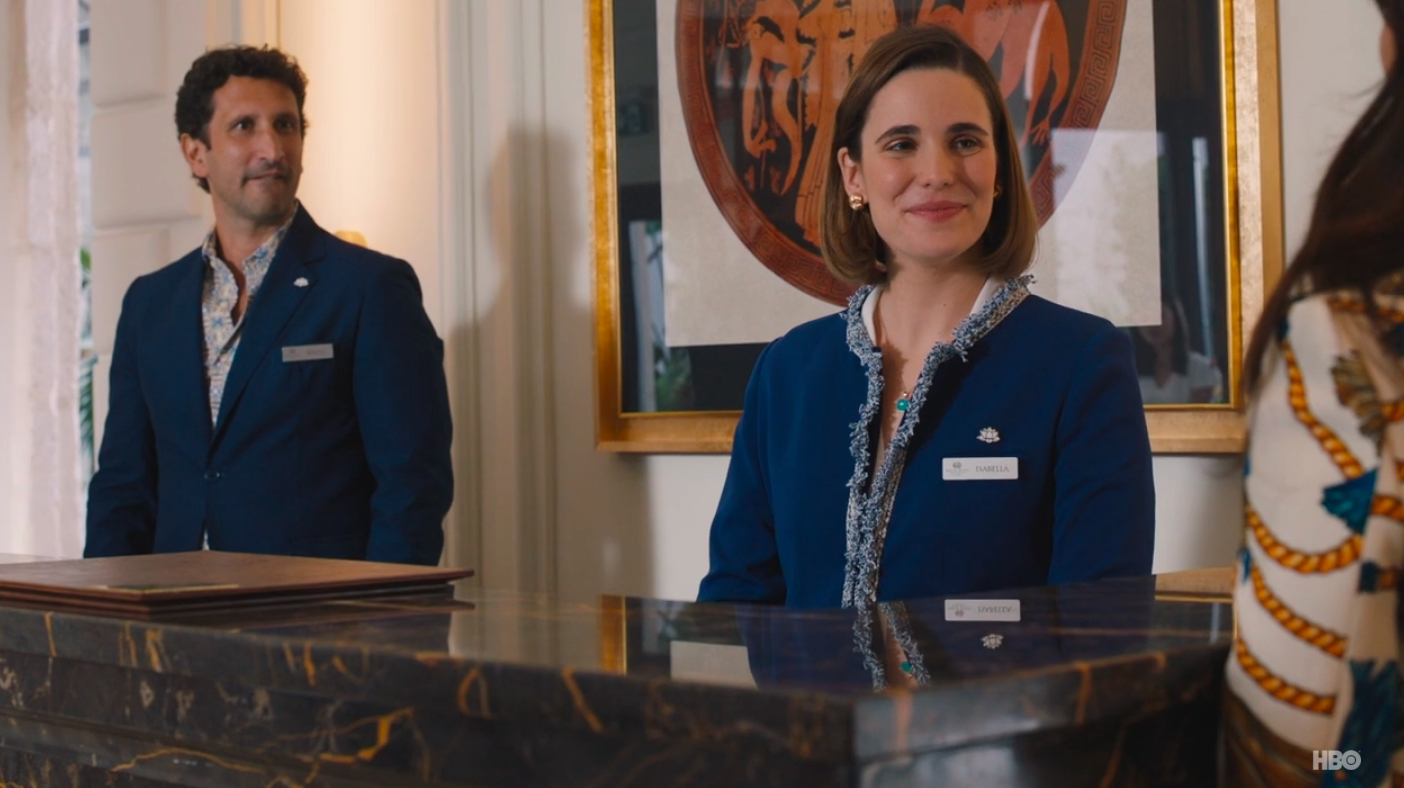
The concierge wears a navy blue suit, a classic immortalized by Coco Chanel, which translates the timeless and structured elegance of European fashion.
The receptionist, on the other hand, wears a well-cut and fitted suit, also in dark blue, which conveys sophistication, precision and refinement.
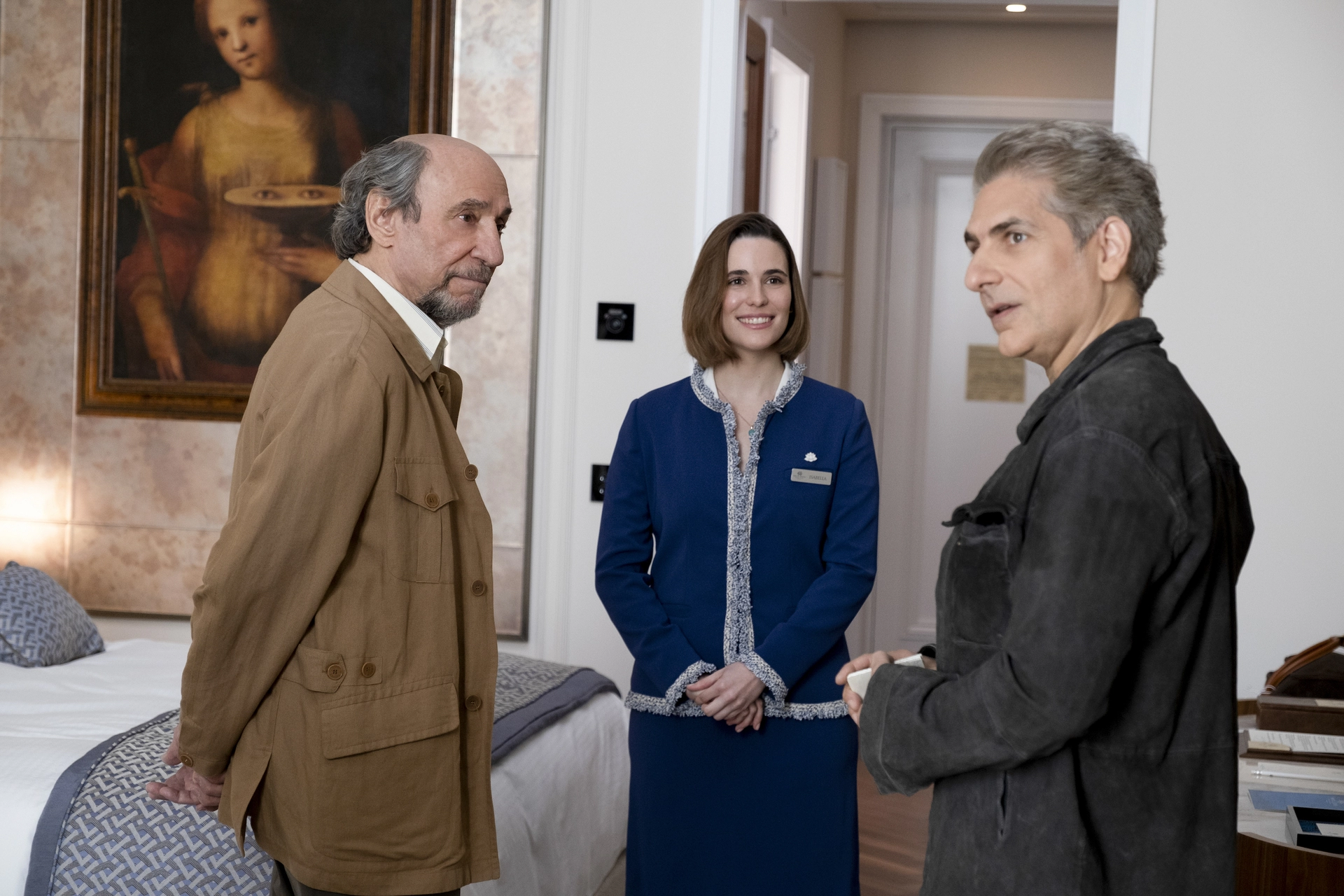
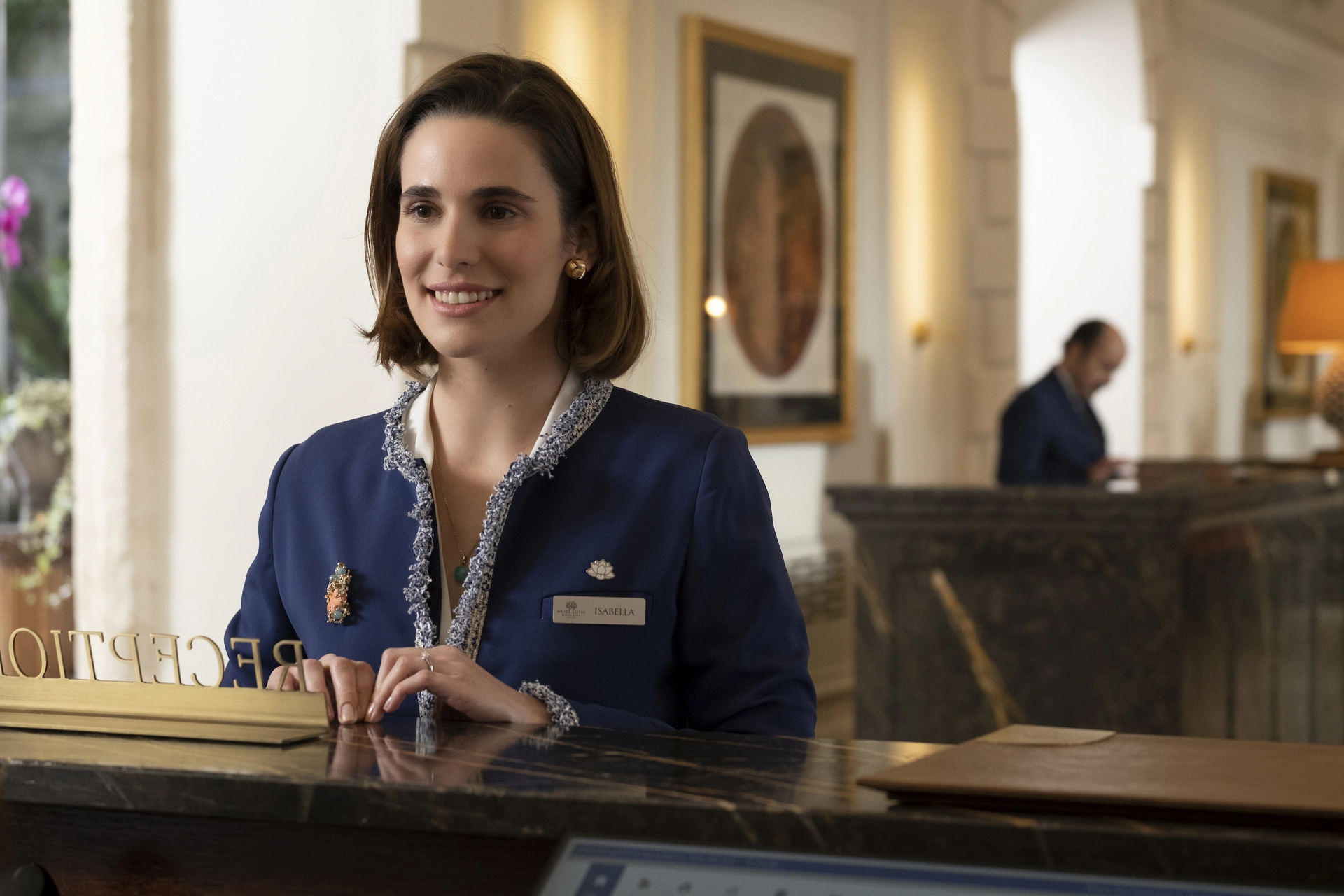
The use of the same palette in both reinforces the aesthetic cohesion and the sober tone of the reception, creating a visually harmonious and professional environment.
A curious detail of the plot reveals how costumes are also used to mark tensions and ironies: Valentina, the manager, develops a love interest in the concierge, who, in turn, exchanges glances with the receptionist.
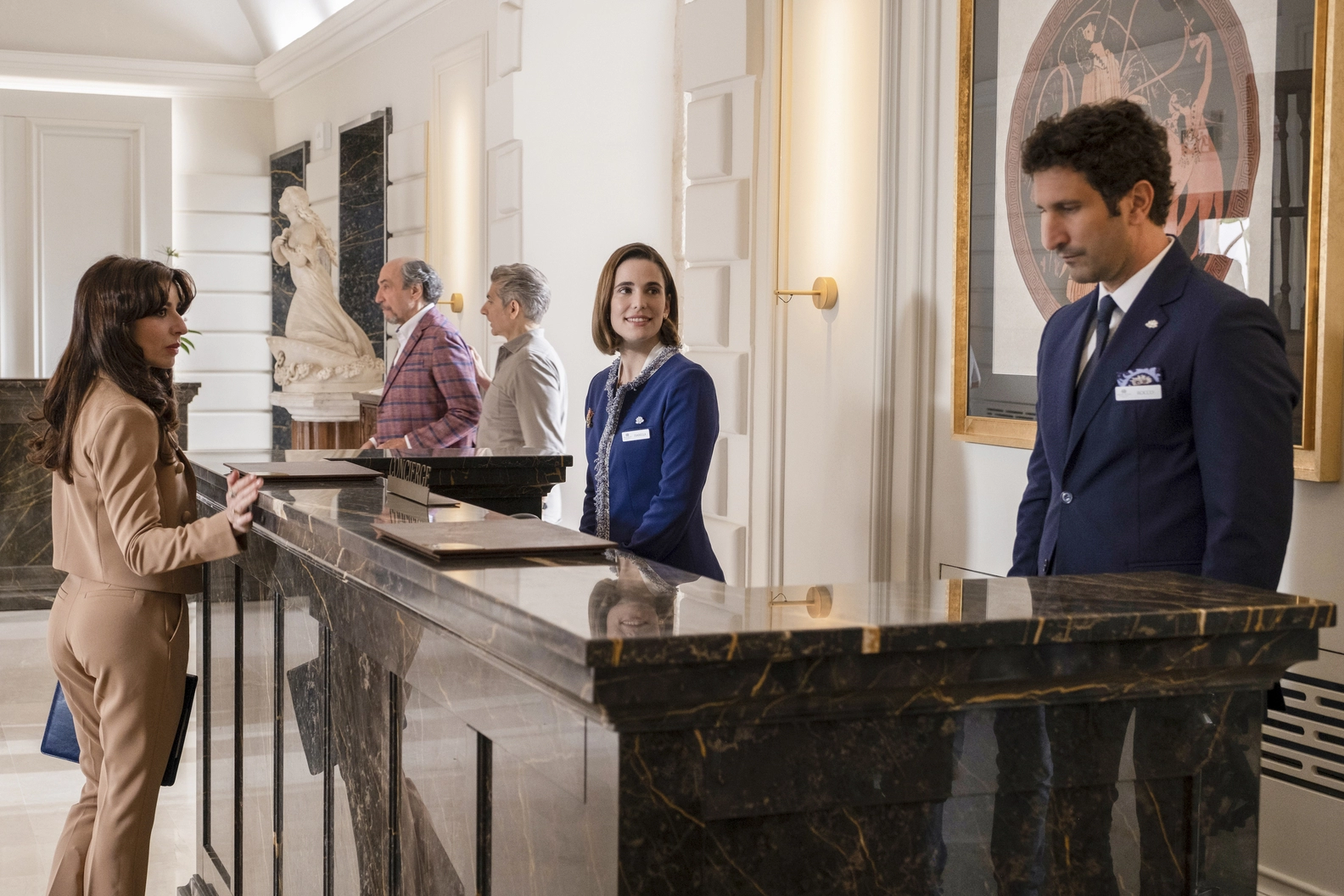
Driven by jealousy, Valentina decides to punish him by transferring him to the beach service, keeping, however, the same suit structured as a uniform.
The contrast between formal attire and the beach setting exposes the discomfort: the fabric does not breathe, mobility is limited, and elegance becomes an obstacle.
A subtle criticism of the rigidity of some aesthetic choices that ignore functionality, reinforcing that the ideal uniform also needs to dialogue with the environment and the tasks performed.
Nothing in this season is excessively modern; everything refers to tradition, as if we were in a hotel that keeps the refinement of past decades.
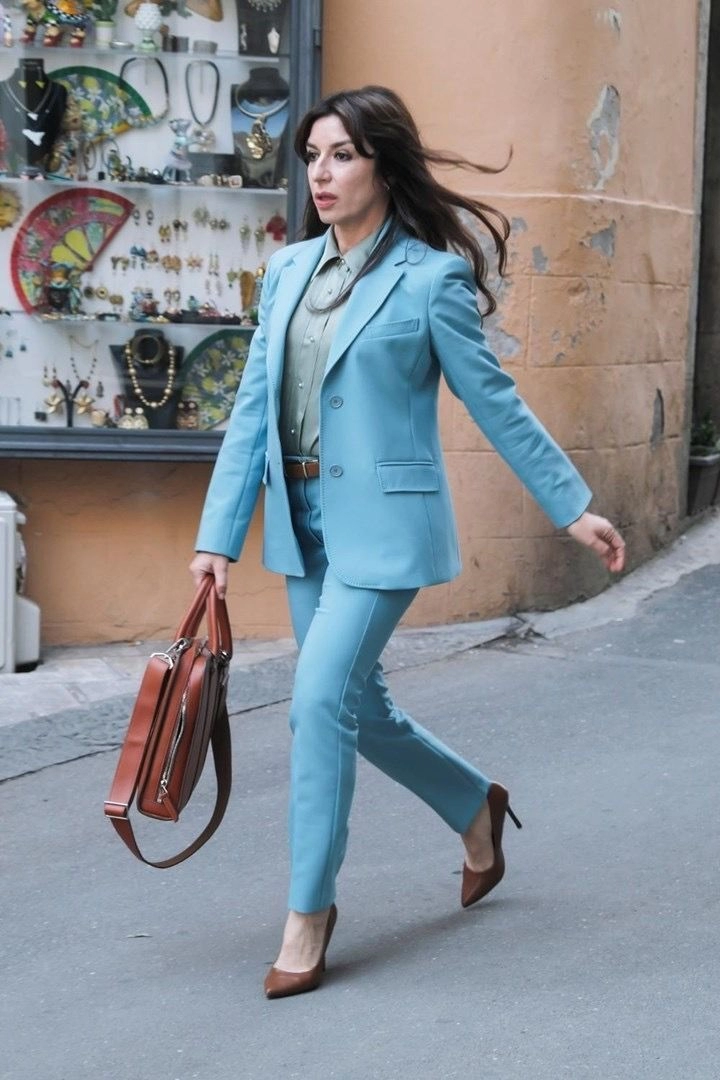
These elements build an atmosphere that refers to the works of Fellini, to the dolce vita, to the Mediterranean novel.
And the uniforms, once again, help the guest to get into this mood, as if they were living an Italian dream.
Season 3 – White Lotus Thailand: artisanal authenticity and natural elegance
Recorded in different locations in Thailand, the third season dives into a universe where spirituality and local craftsmanship shape the experience.
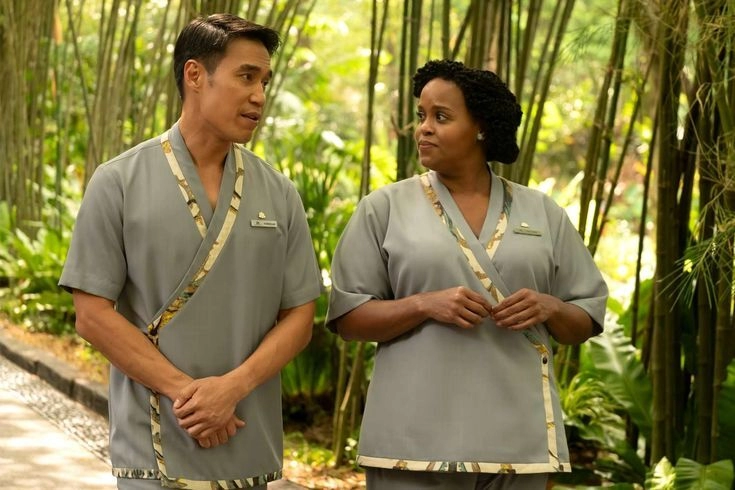
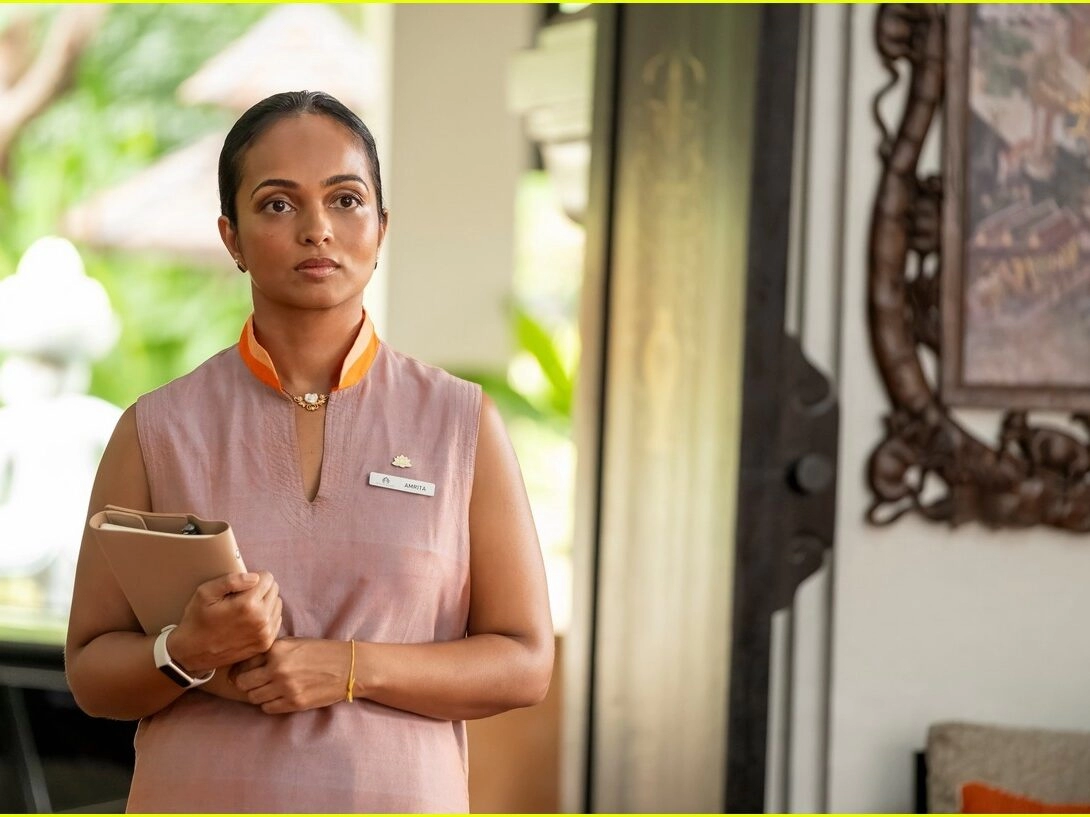
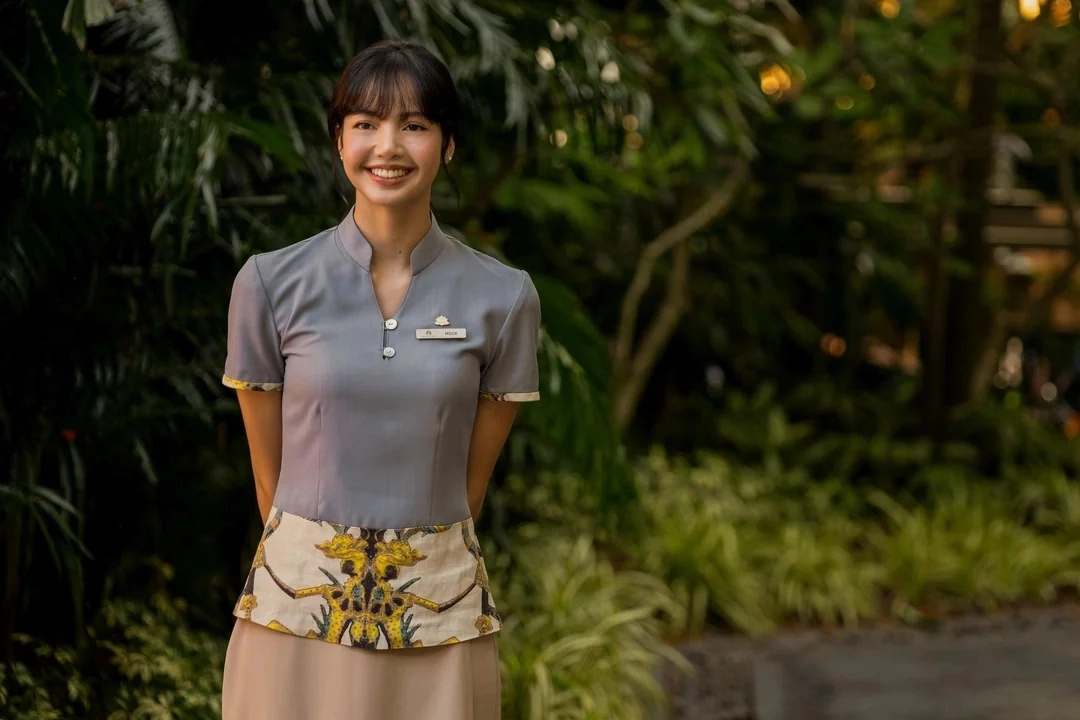
The costumes and uniforms bet on natural fabrics such as linen and silk, tropical prints, intense colors and contrasts and locally produced pieces, creating an aesthetic that mixes comfort, sophistication and ancestry.
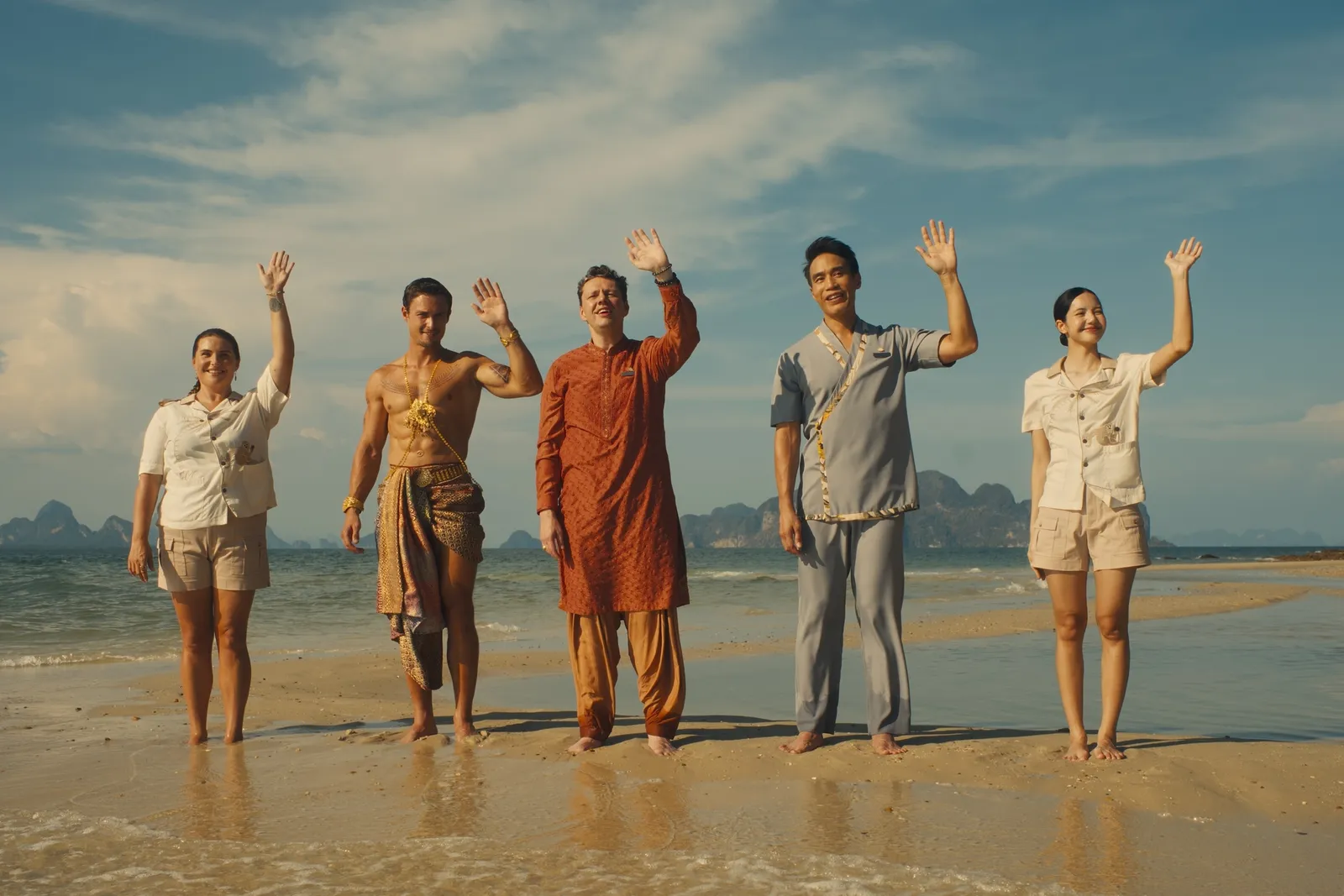
Many cuts present in the clothes carry deep meanings and reveal the connection with Asian traditions: the priest collar, for example, common in Thai clothing, conveys elegance with a spiritual touch, while the V-neckline, typical of local tunics and gowns, suggests a light visual openness and a fluid aesthetic, ideal for warm climates.
In addition, the straight and loose cuts, the fisherman’s pants with lace-up, the manual embroidery, and the use of neutral and earthy colors reflect the respect for ancestral culture and the comfort necessary for the routine of hospitality.
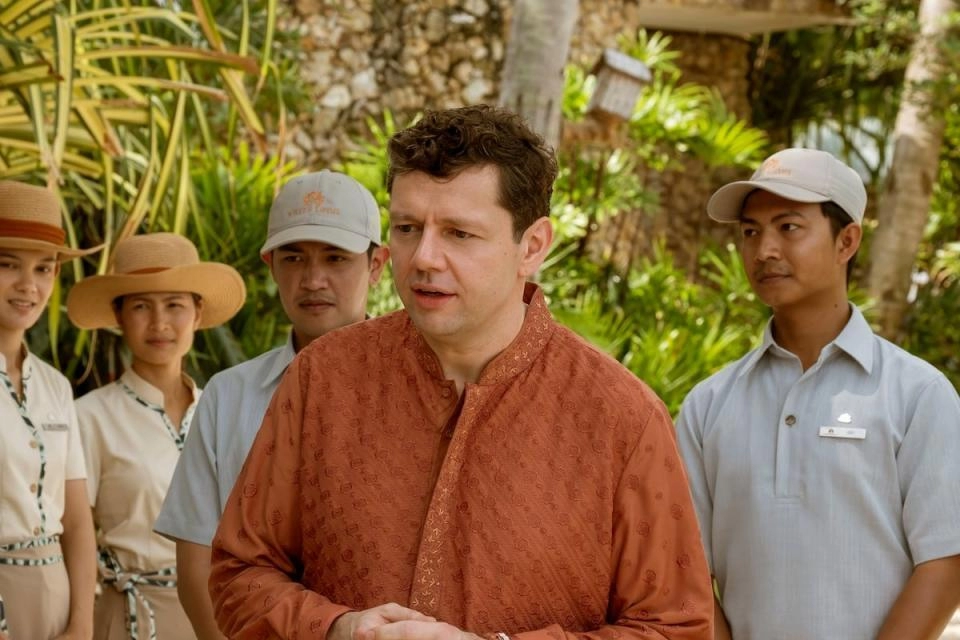
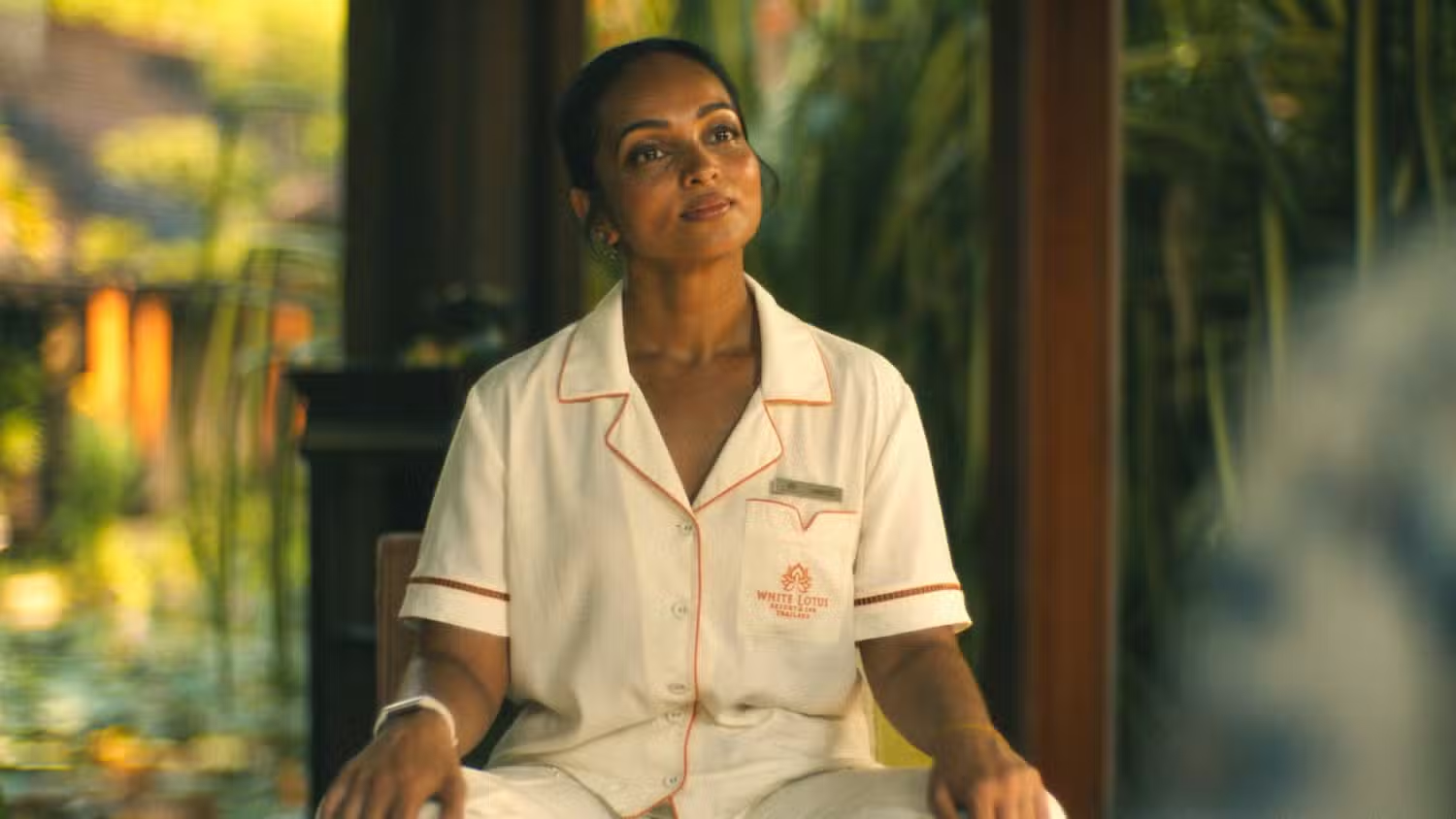
The uniforms reflect the warm, enveloping atmosphere full of symbolism of the country.
The character Mook, played by Lisa (from the group BLACKPINK), wears a uniform with shorts and a button-down shirt that deviates from the expected standard and offers more mobility and freshness.
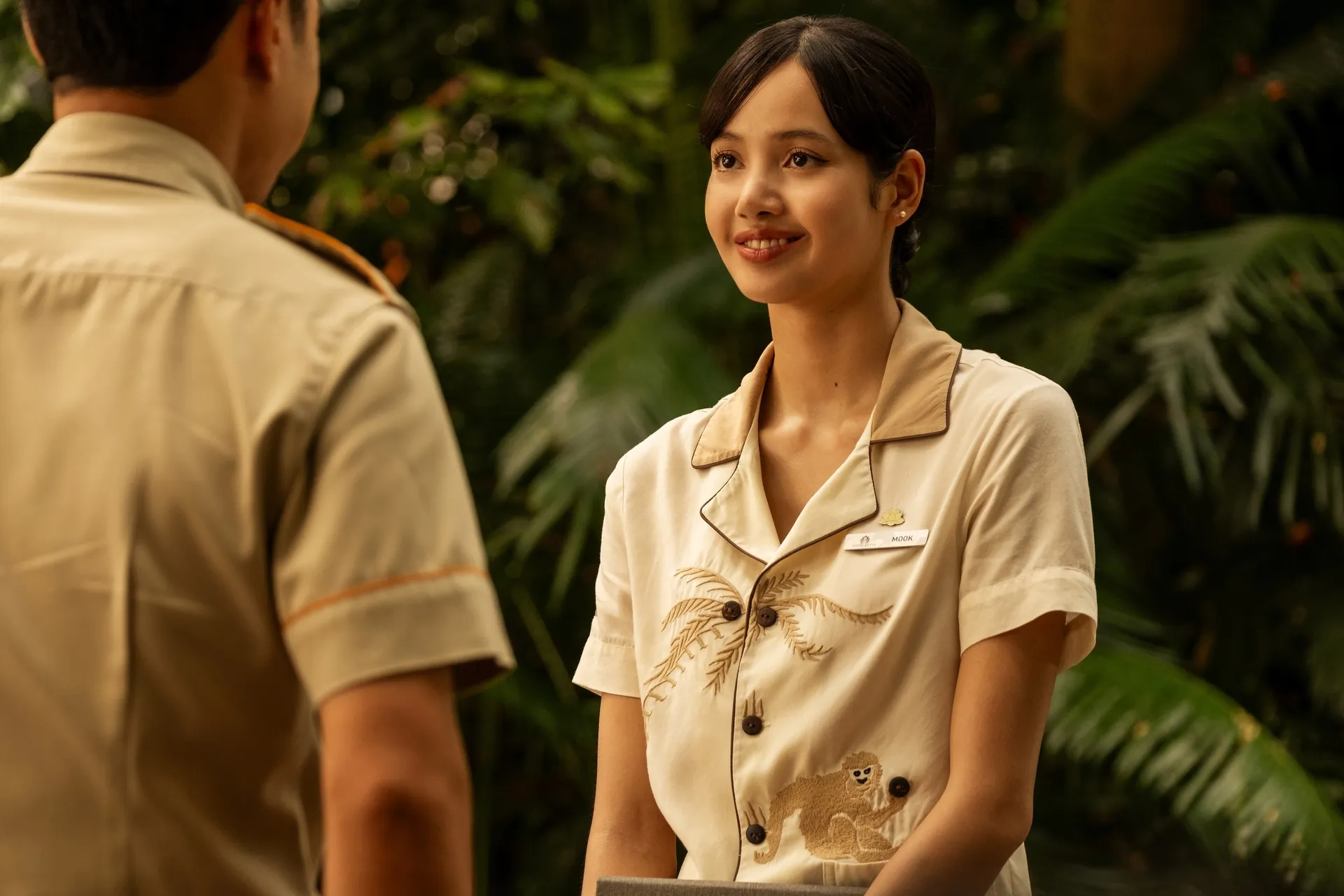
A functional and aesthetic choice that conveys youthfulness, efficiency and lightness.
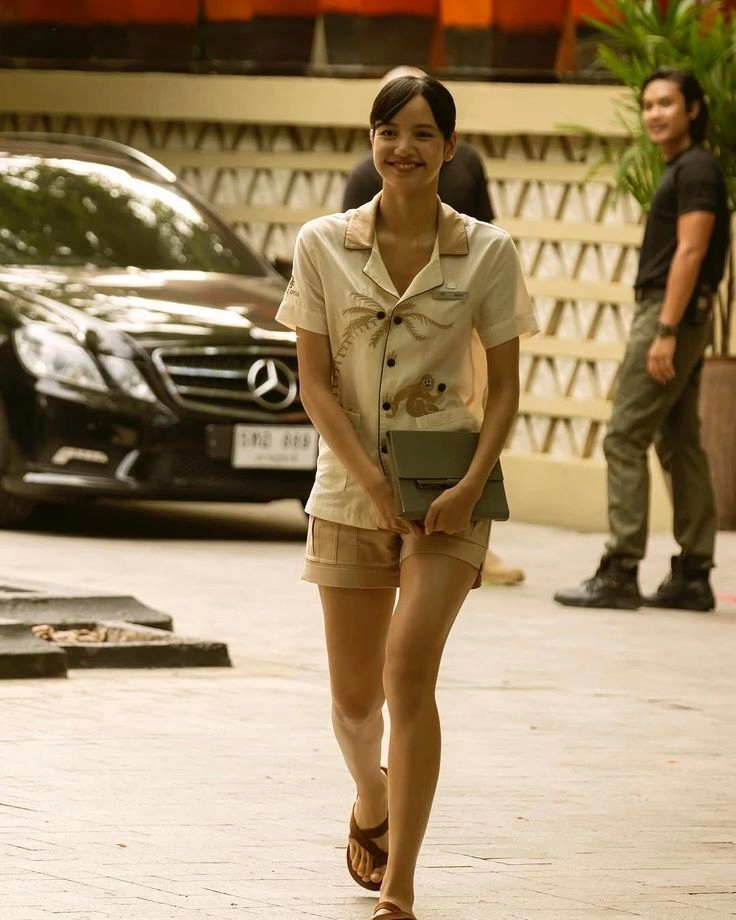
Here, the uniform is part of the hotel’s value proposition. It aligns with the exuberant nature of the place and Thai craftsmanship, adding sophistication without losing the regional identity.
Uniforms: The Key to Creating an Unforgettable Brand Experience
In an increasingly competitive hospitality market, every detail contributes to making the experience memorable and the uniform is one of them.
More than dressing the team, it translates the hotel’s identity and helps create a coherent atmosphere at all points of contact with the guest.
If you want to turn the uniform into a strategic tool to strengthen your hotel’s identity, Dash’s Creative Studio can help.
We develop exclusive projects that translate the essence of each brand into colors, shapes, fabrics and models.
Want to talk about your project? Get in touch with us.