




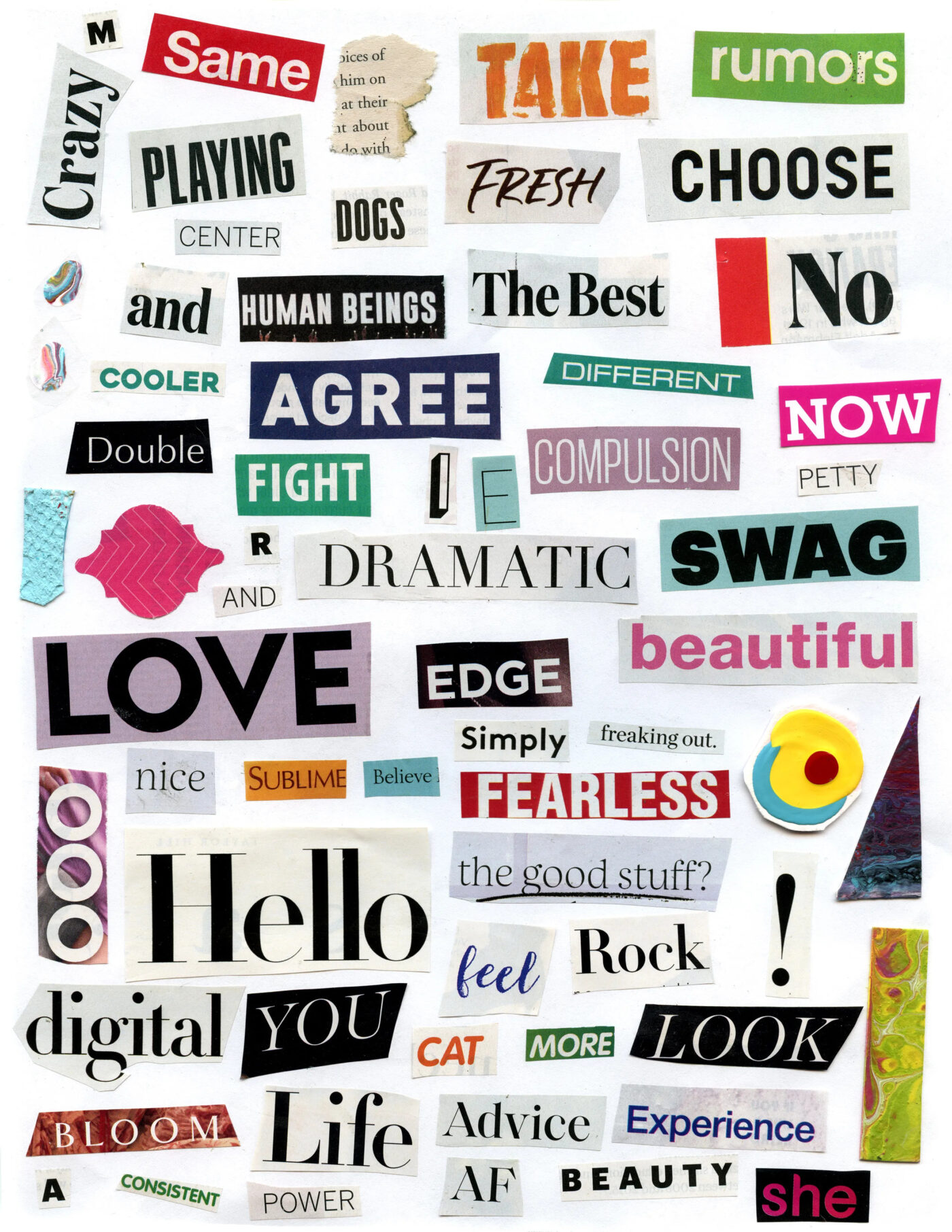
When we think about a brand’s identity, it is common to think of the logo, colors, and visual elements that help a company to be recognized.
But there is another equally important element in this construction: the way the brand communicates.
The words chosen, the way of writing and even the expressions used on a daily basis help to create a personality of its own and influence how the brand is perceived.
This set of characteristics is known as verbal identity.
And although many people associate this concept only with advertising campaigns, websites, or social networks, it can be present at various points of contact with the brand, including uniforms.
Before understanding how this works in practice, it is worth knowing this concept better.
What is verbal identity?
Verbal identity is the way a brand expresses itself through language.
It brings together all the elements that guide the company’s communication: the words it uses, the tone of voice, the messages it conveys, and the personality it wants to demonstrate in each interaction.
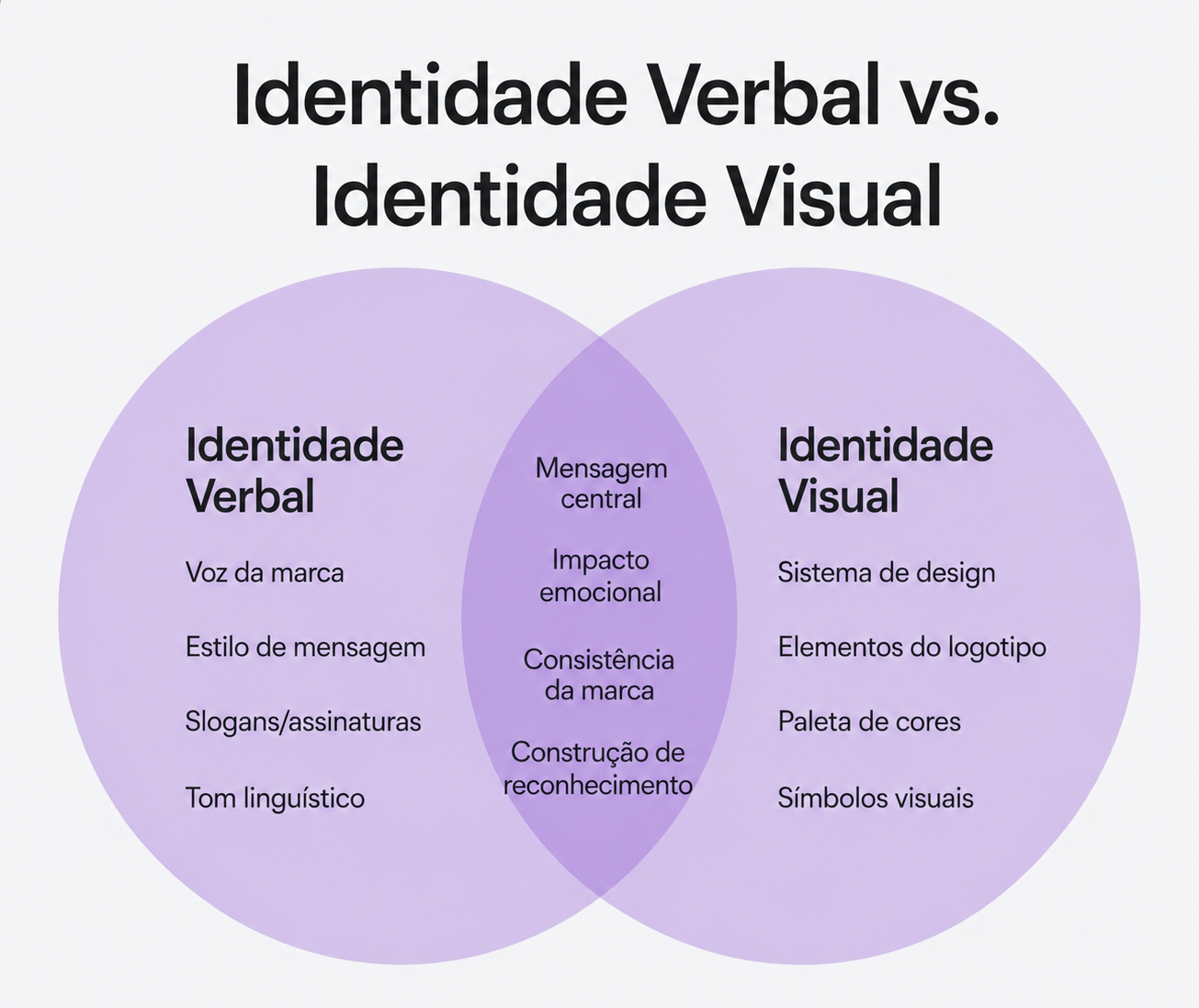
A simple way to understand this concept is to imagine that brands are people.
Two people can wear similar clothes, go to the same places and even work in the same area. Still, the way they talk, tell stories and relate to others makes them perceived in completely different ways.
The same thing happens with brands. Companies can have similar visual identities and operate in the same segment, but the way they communicate can make them unique in the eyes of the public.
Therefore, verbal identity works as the voice of the brand. It helps to create awareness, differentiate yourself from the competition, and build trust over time.
Where should verbal identity be present?
The short answer is: everywhere the company communicates.
Emails, social networks, customer service, packaging, internal materials, point of sale, contracts, any channel where the brand speaks to someone is a space where verbal identity needs to be present.
The way the brand expresses itself needs to be coherent across all these channels, so it doesn’t seem like a different company is talking about each platform.
Steady voice, flexible tone
This does not mean that she cannot diversify her tone according to the channel or the interlocutor.
Think about how you communicate yourself. With a client in a formal meeting, the way you speak is different than in a relaxed conversation with the team. But in both situations, you are still you. Your personality, values, and essence don’t change.
With brands, the reasoning is the same. The brand voice is constant, it represents the company’s personality and does not vary. The tone is what adapts depending on the context.
An FAQ will need more educational language. Customer service requires a greater degree of care and attention.
This flexibility must exist, but within a foreseen and coherent variation, not as an improvisation. And for this to be possible, it is necessary to know the elements that form this identity.
What elements make up a verbal identity?
Verbal identity is not built by a single element. It is the result of different components that work together to create coherent and recognizable communication. Let’s get to know each of them.
Brand personality
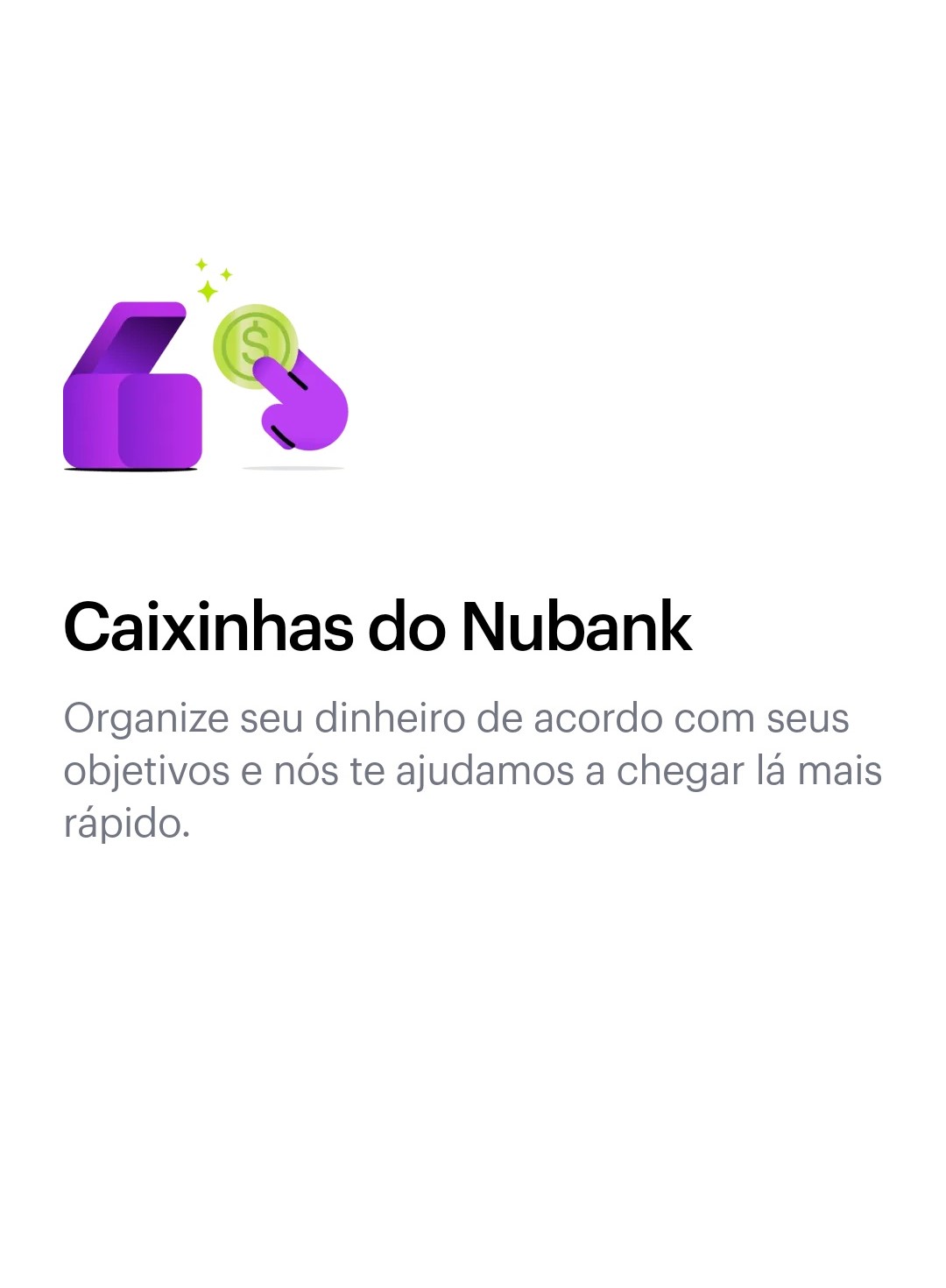
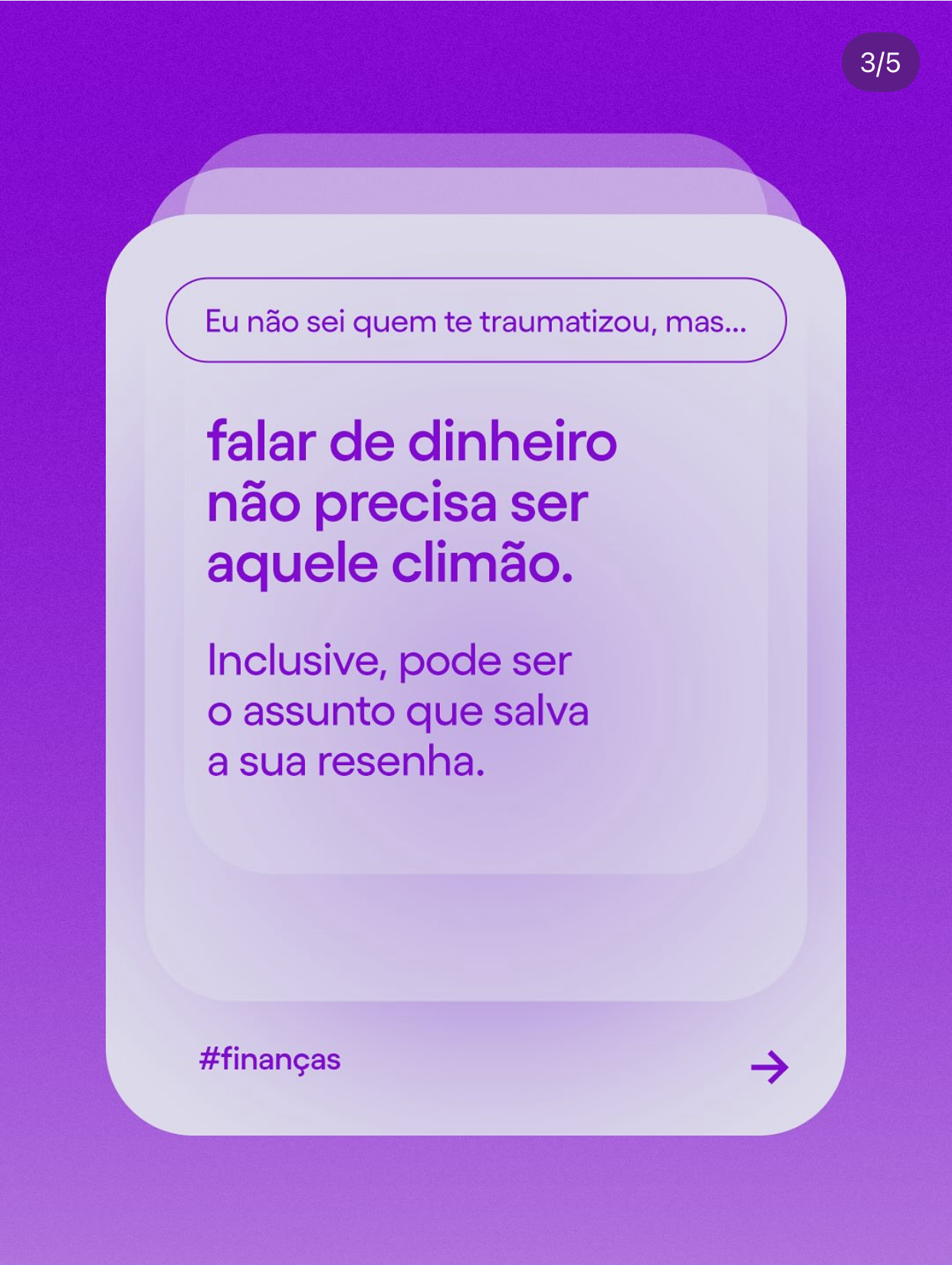
The brand’s personality is the set of characteristics that describe it as if it were a person. Among the brands with well-defined personalities is Nubank.
In a historically bureaucratic and distant sector, the bank built a close, direct and non-“economese” personality. Consequently, the simple, positive and human verbal identity was what differentiated the brand in a market dominated by traditional giants.
Tone of voice
It’s not what you say, but how you say it.
The tone of voice is the way the brand conveys its messages: whether it is more serious or relaxed, more inspiring or informative, more daring or welcoming. It varies according to the context, but always within the brand’s personality.
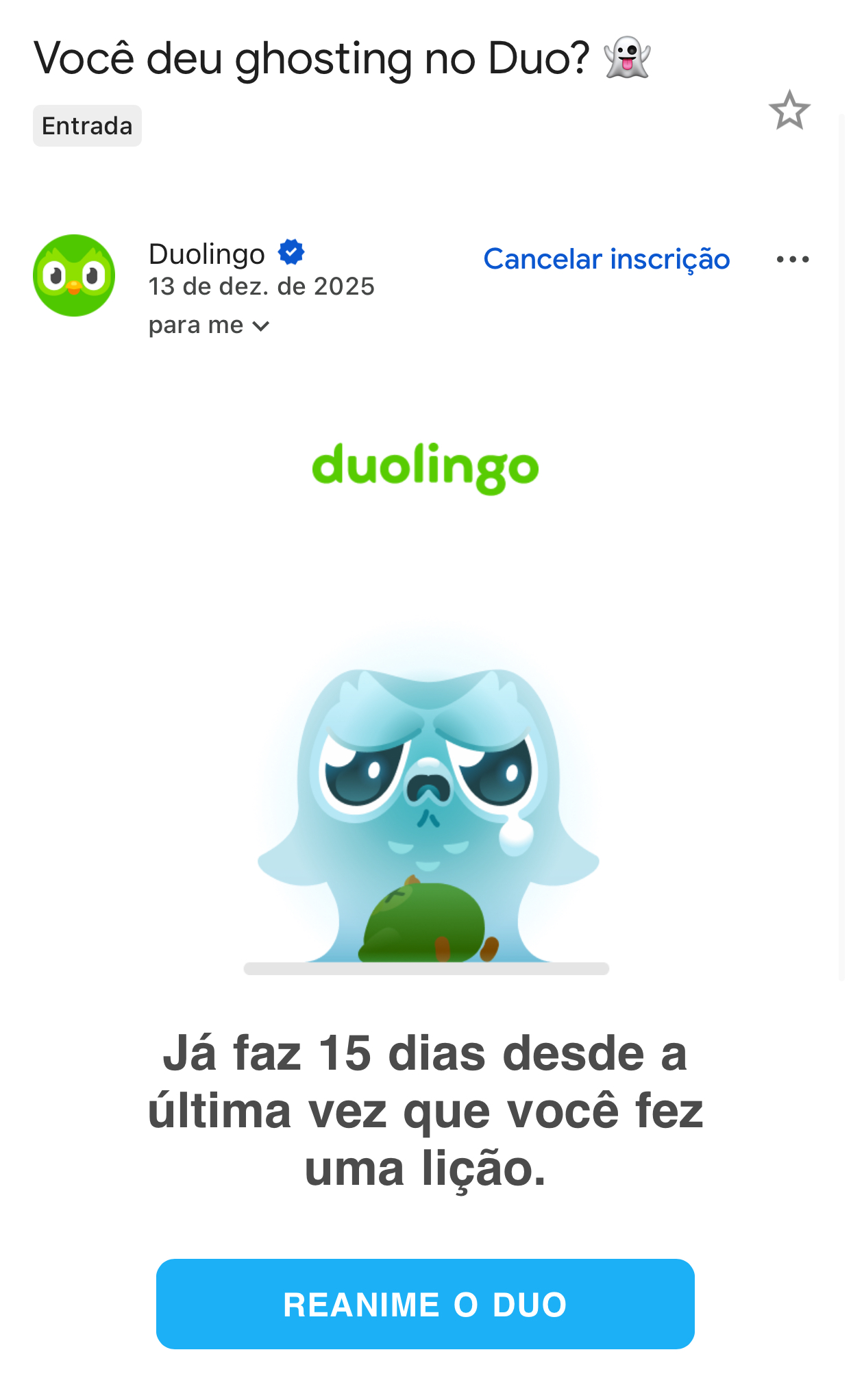
Duolingo is one of the most striking examples of recent years. A language app could have opted for a more serious and educational tone. Instead, the brand built an irreverent, humorous, and even provocative tone in its communication.

Lexicon: the vocabulary of the brand
Words, expressions and terms of their own help a brand to be recognized and remembered.
The lexicon is the set of words that appear frequently in a company’s communication. Over time, these terms become associated with the brand and create their own language.
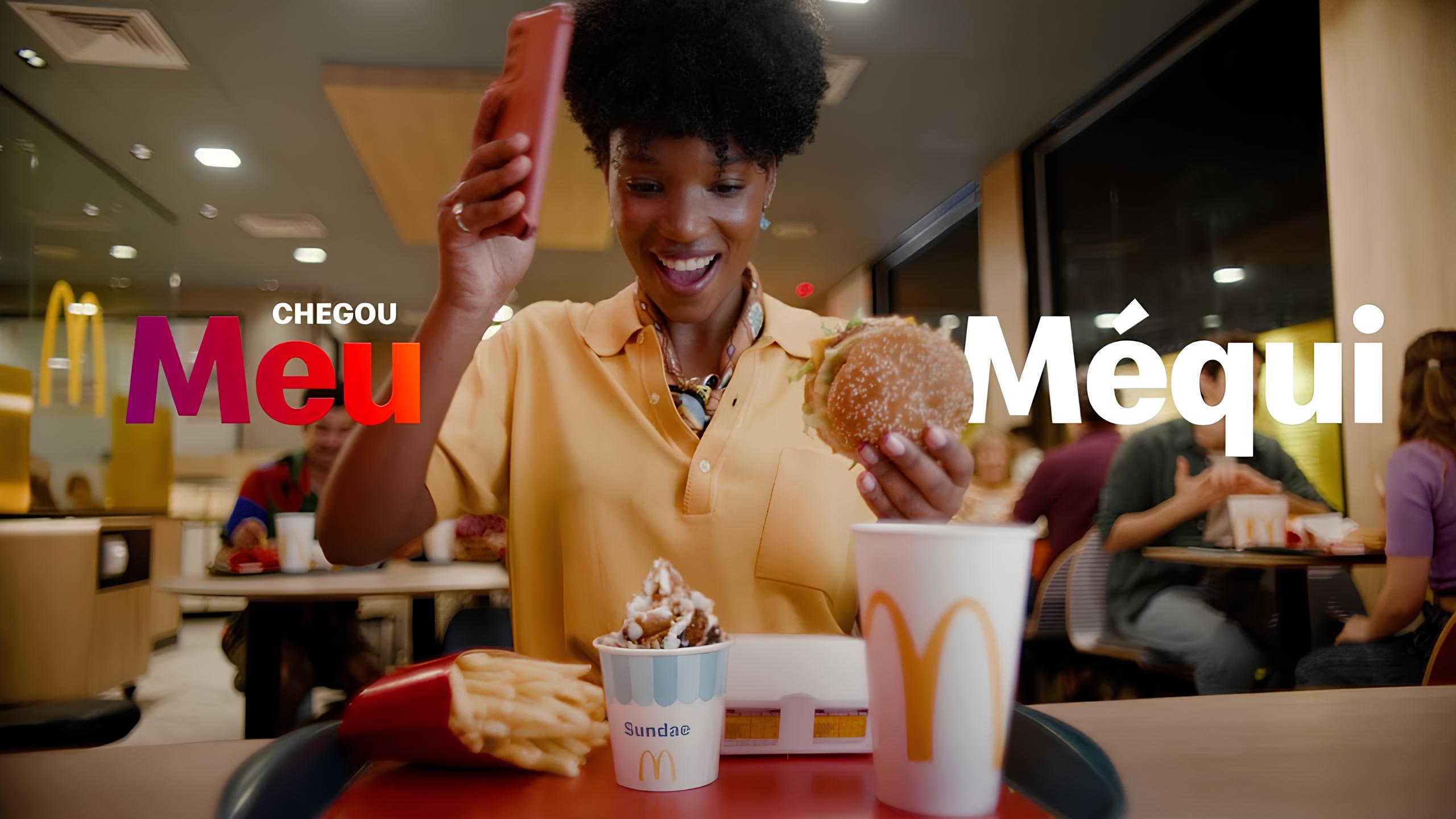
McDonald’s created a vocabulary entirely its own by using the prefix “Mc” to name products and experiences – “Meal”, “McFesta”, “McFries”. This feature is so strong that people have incorporated this language into their daily lives. Nobody says “I’m going to eat a hamburger”. They say “I’m going to Méqui”.
Grammar and writing style
The way a brand writes also communicates something about it.
A message written entirely in capital letters may seem aggressive or urgent, the use of technical language can reinforce authority, while more conversational writing conveys relaxation and closeness.
Liquid Death expresses their rebellious nature with capitalized slogans to draw attention. This is evident in their use of violent words, but in a humorous way.

Rhythm and tempo
Rhythm is the cadence of language, the way short and long sentences alternate to create fluidity or impact.
More sophisticated brands tend to use a calmer and more leisurely pace, which conveys confidence. Younger and more energetic brands bet on quick and direct phrases, which create a sense of movement.
The secret is to choose a rhythm consistent with the brand’s personality and maintain it.
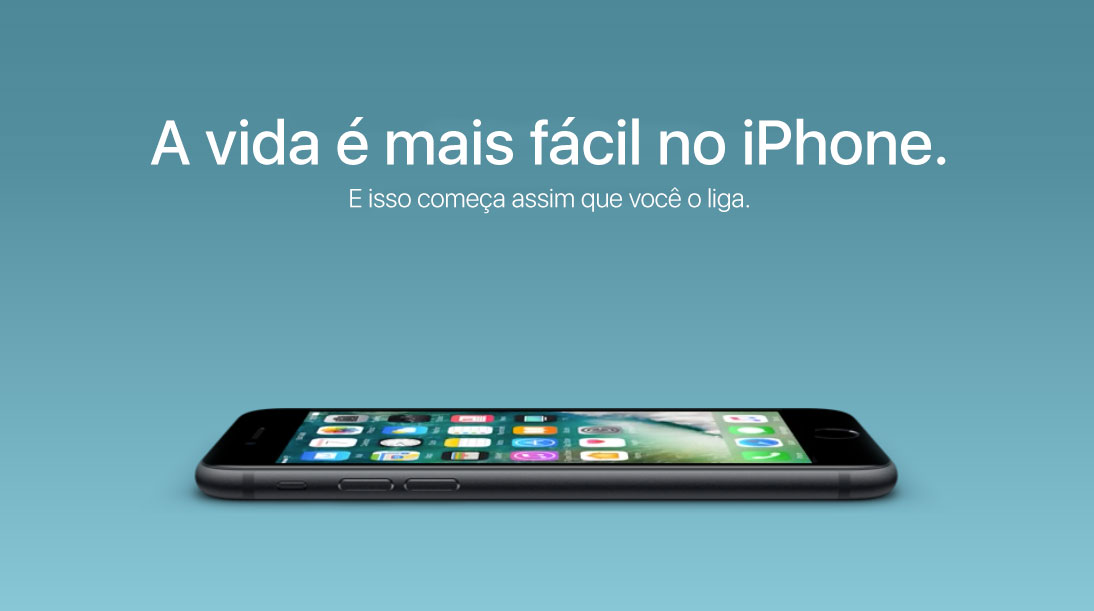
Apple is a classic example. Its communication is direct, minimalist, and fragmented. Short sentences that simplify complex ideas and leave no room for doubt. This writing rhythm reflects exactly what the brand sells: easy-to-use technology.

Purpose and values
A brand’s verbal identity is also a reflection of what it believes in and stands for.
When a company talks about sustainability, innovation, or caring for people, these words need to appear consistently in communication
Natura is a clear example of this. Concepts such as well-being, diversity and respect for nature appear in the description of the products, in the relationship with the consultants and in the public positioning of the brand. The language is the direct reflection of what it represents.

How does this verbal identity appear on the uniforms?
The uniform already fulfills an important visual role: it presents the brand, creates cohesion among the team and conveys professionalism. But it can go further.
Just like a website, a package, or a campaign, the uniform is also a point of contact for the brand. And when it incorporates elements of verbal identity, it reinforces the same language that the brand already uses in other channels.
There are different ways to do this in practice. Let’s get to know some of them:
Slogan or tagline
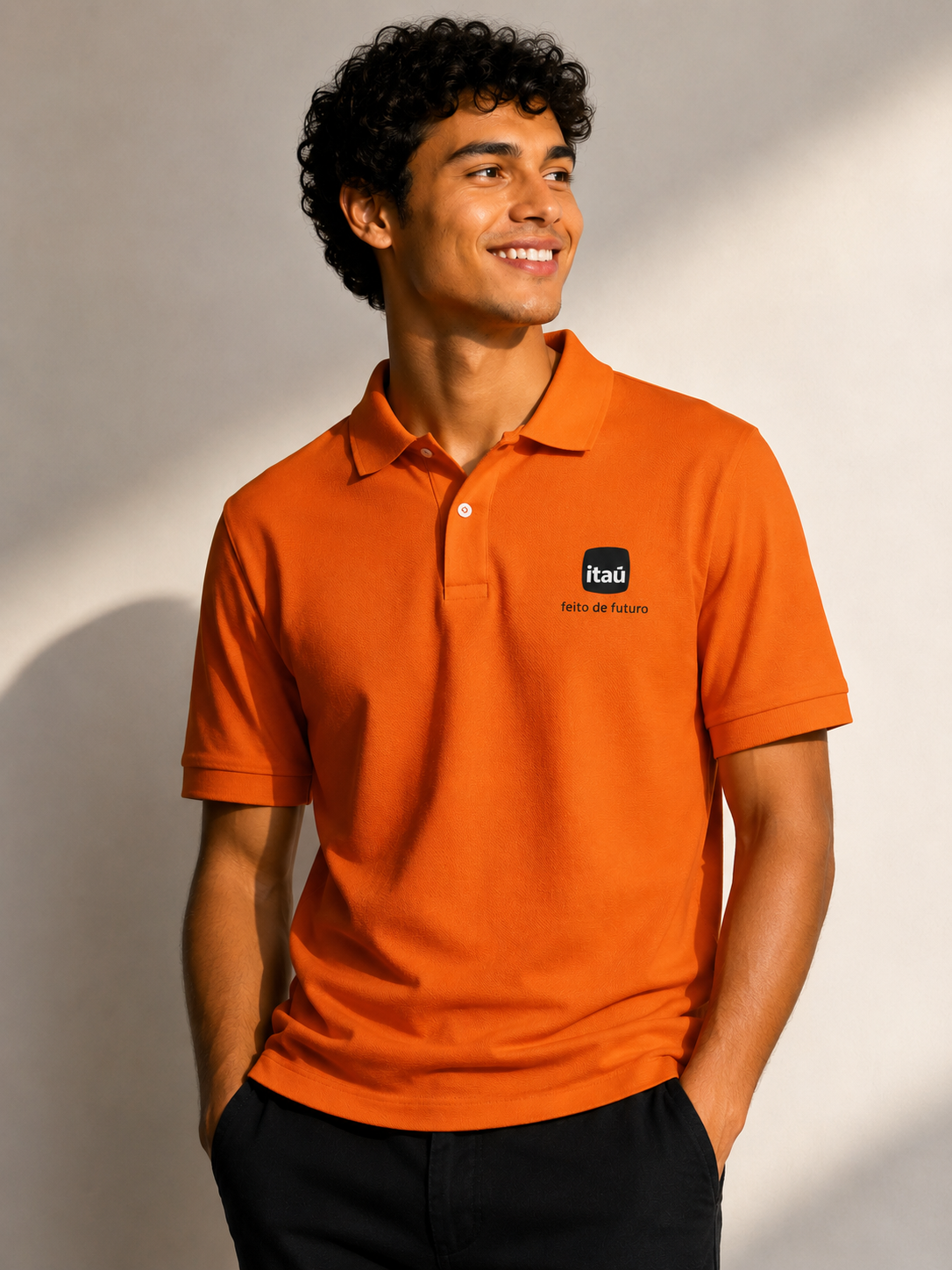
A phrase that already represents the brand can gain even more strength when it appears on the uniform. Embroidered on the sleeve, printed on the inside of the collar or in a discreet detail of the piece, it reinforces the company’s positioning in each interaction.
Key message
Companies that have a central message, linked to service, quality or purpose, can take it to the uniform. Not as a poster, but as a detail that communicates something about who wears it and about the company it represents.
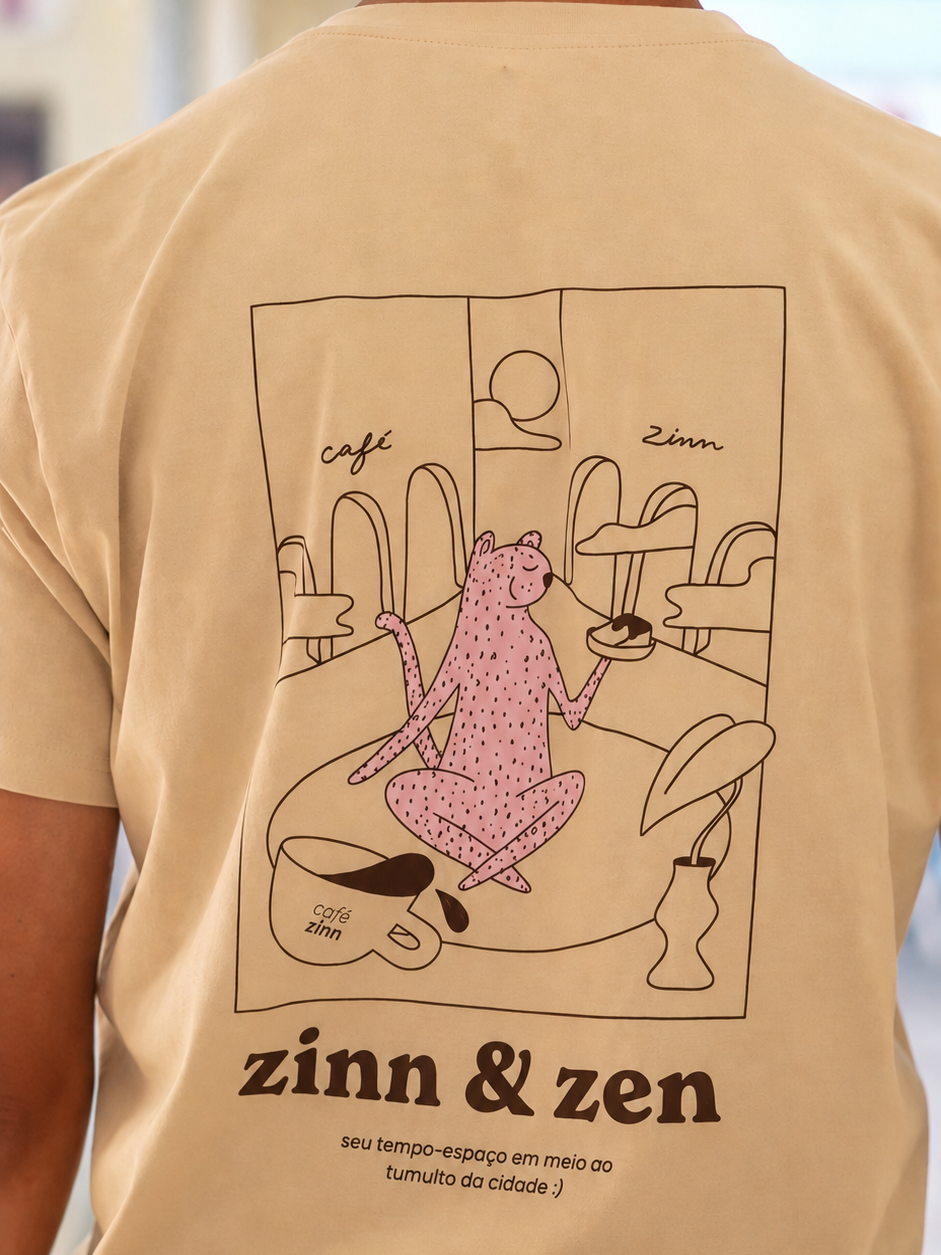
Words from the brand lexicon
A single word can say a lot. Terms that appear frequently in company communication such as “care”, “excellence”, “innovation” or “trust” can be incorporated into the uniform in a creative and elegant way.
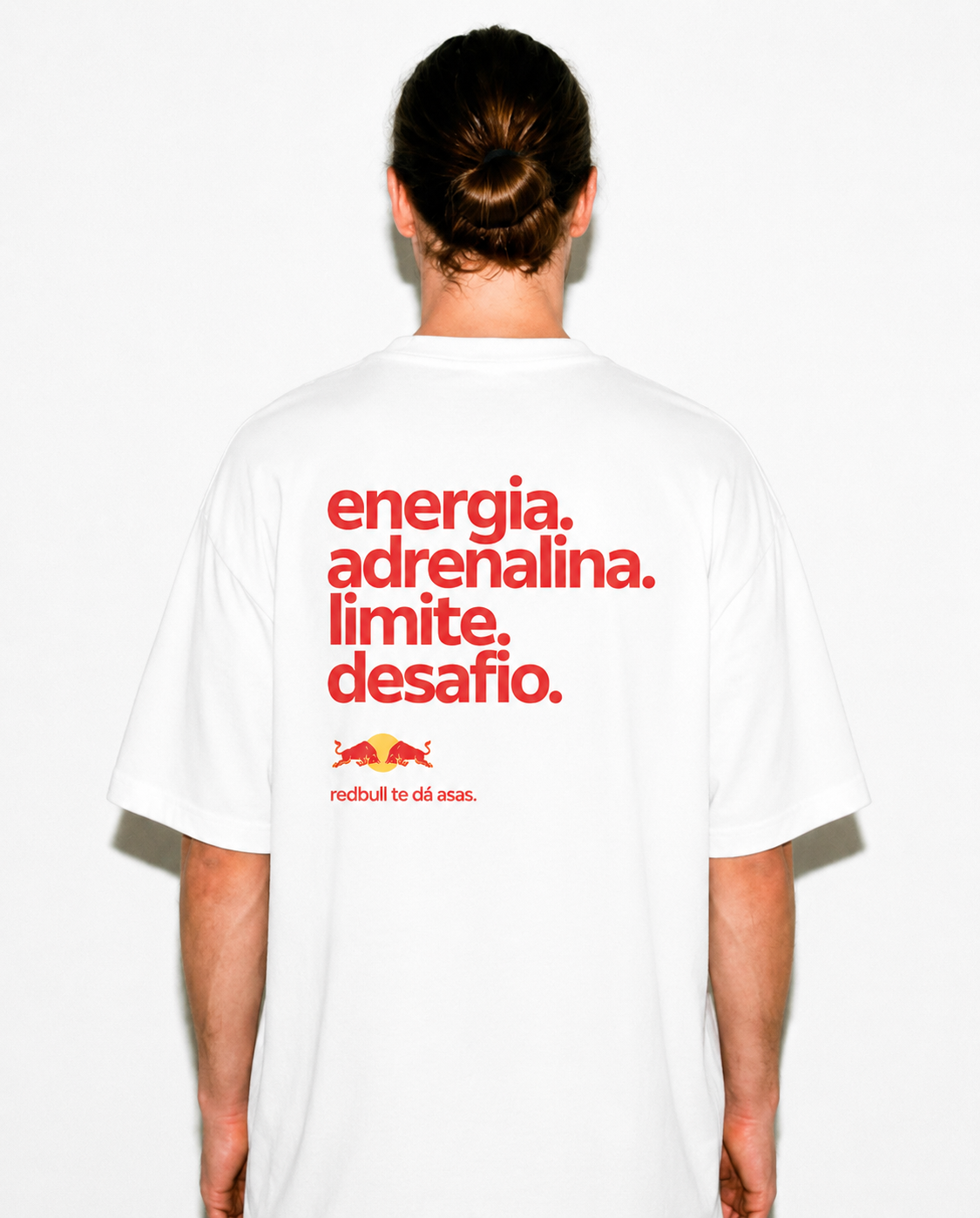
Values and purpose
Companies that have a well-defined purpose can use it as inspiration for messages applied to the uniform. Something that makes the employee feel part of something bigger and that conveys this to those on the other side.

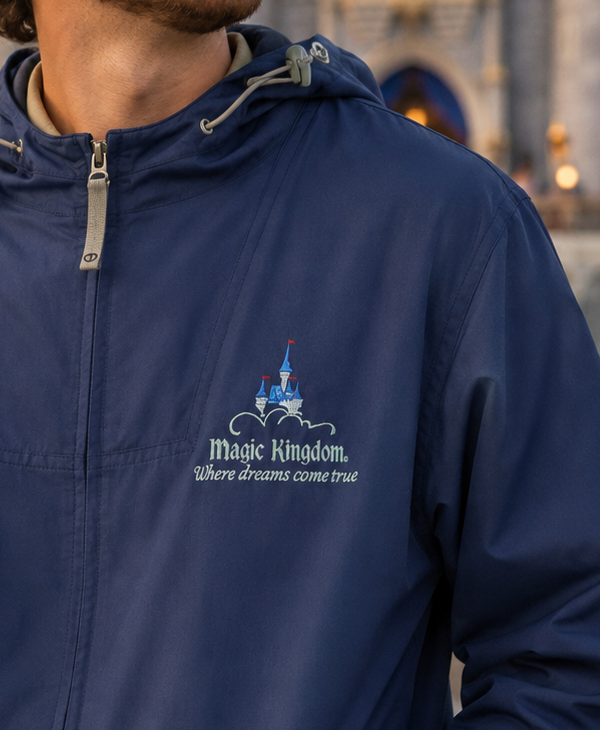
Words have power
And you can use them to take your brand identity beyond the logo. When they appear intentionally on the uniform, they help convey values, reinforce positions, and create stronger connections with employees and customers.
If you want a uniform developed from scratch, with elements of your identity applied in a personalized way, talk to our Creative Studio.